Blog Content Strategy for 2026: Plan, Create, and Grow Like a Pro

You publish and publish. But nobody reads. Your blog feels like a ghost town. Here is how a blog content strategy turns random posts into a growing audience – and real income.
You have been at it for months. You write posts. You share them on social media. You check your analytics. Nothing. Maybe a few clicks. Maybe a comment from your mom. The growth you hoped for never comes.
You feel like a failure. But here is the truth: your writing is not the problem. Your lack of a blog content strategy is.
In 2026, publishing without a plan is like throwing spaghetti at the wall and hoping something sticks. It is exhausting. It is inefficient. And it is why 90% of bloggers quit within their first year.
This guide will show you exactly how to build a blog content strategy that attracts the right readers, ranks on Google, and turns your blog into a brand – not just a hobby.
📌 Real story – Omar was publishing 4 times a week with zero results
Omar was a hard worker. He published four posts every week on his lifestyle blog. He wrote about food, travel, fitness, and productivity. After six months, he had less than 100 daily visitors. He was burned out and ready to quit.Then he discovered the power of a blog content strategy. He stopped random posting. He identified his audience: busy professionals who wanted quick healthy meals. He narrowed his topics to meal prep, quick recipes, and time-saving kitchen tools. He created a content calendar. He published twice a week – not four times.
Within three months, his traffic tripled. He joined Amazon Associates and started earning. He published less but grew faster. Strategy beat volume.
⚠️ The #1 myth that keeps bloggers stuck:
“More posts mean more traffic.” False. Random posts about random topics confuse Google and readers. A strategic post that serves a specific audience is worth ten random posts.
What Is a Blog Content Strategy? (Stop Guessing, Start Growing)
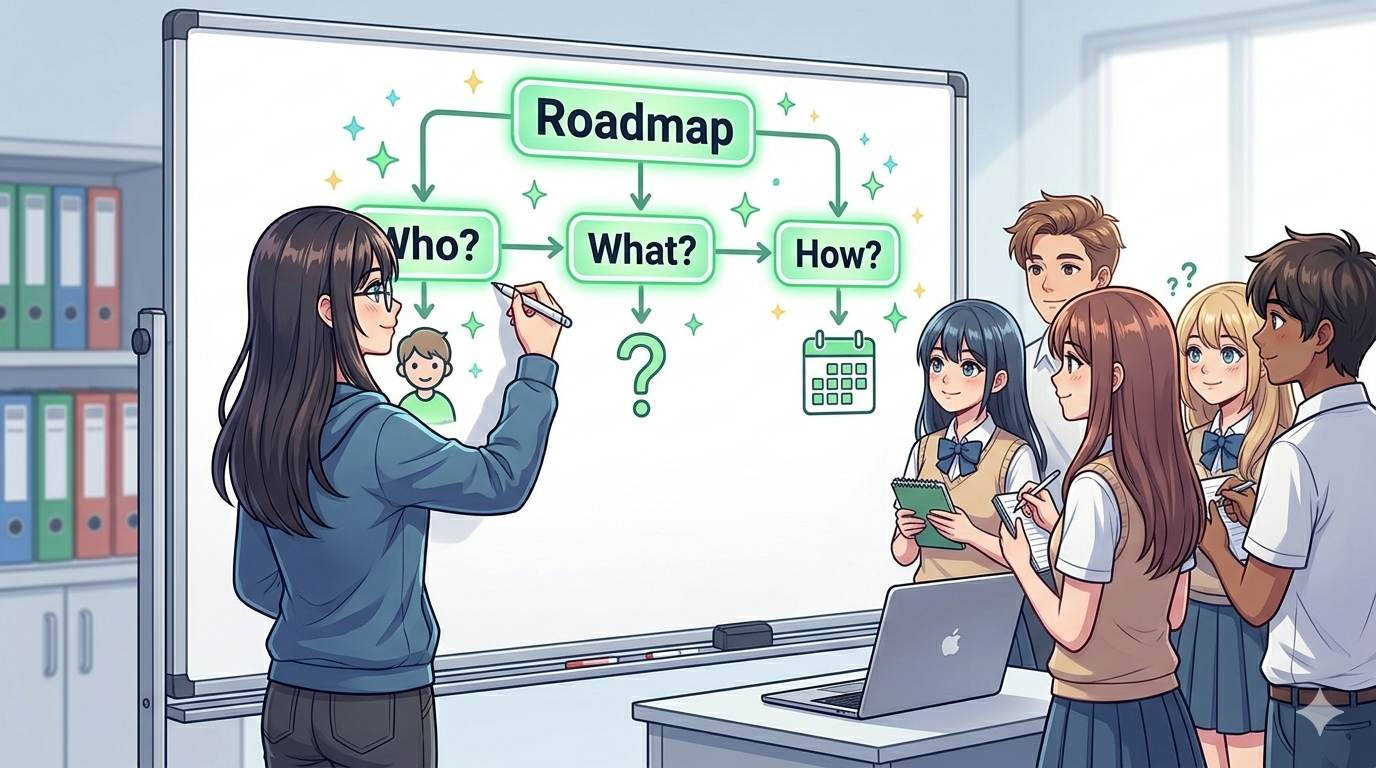
A blog content strategy is a documented plan that answers three questions before you write a single word:
- Who am I writing for? (Your audience)
- What problems do they have? (Their pain points)
- How will I help them, consistently? (Your topics and schedule)
Without a strategy, you are guessing. With a strategy, you are building. Omar learned this the hard way. Do not repeat his mistake.
Why Blog Content Strategy Is Non‑Negotiable in 2026
The blogging world has changed. Here is what makes strategy essential now:
- AI content is everywhere. Generic posts are worthless. Strategy helps you create unique, human, valuable content that AI cannot replicate.
- Google rewards topical authority. A blog with 100 strategic posts about one topic beats a blog with 500 random posts every time.
- Readers have zero patience. If your blog feels scattered, they leave. Strategy creates a logical, satisfying journey.
- You will burn out without a plan. Random posting is exhausting. Strategy gives you clarity and momentum.
The 7-Step Framework to Build Your Blog Content Strategy
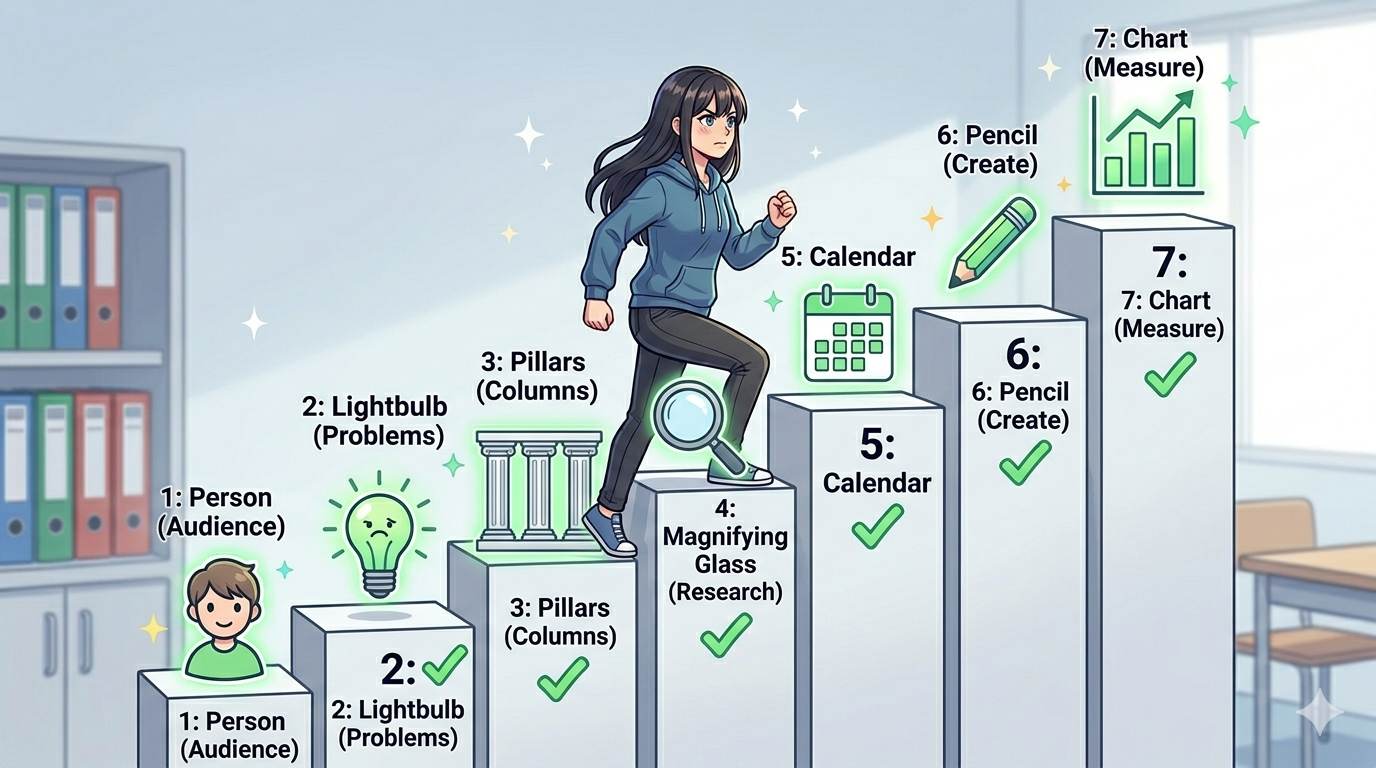
Step 1: Define Your Audience Avatar (Get Specific)
Stop writing for “everyone”. Write for one person. Give them a name. Understand their age, job, challenges, and goals.
Example: Instead of “people who want to save money”, target “Sarah, a 28-year-old teacher with student debt who wants to save for a down payment.”
When you write for Sarah, your content becomes focused, relevant, and powerful.
Step 2: Identify Their Biggest Problems (Pain Points)
What keeps your audience up at night? What are they Googling at 2 AM? Use these sources:
- Reddit and Quora (search for your topic + “help” or “advice”)
- Amazon book reviews (people complain about problems in reviews)
- YouTube comments (people ask questions)
- Google autocomplete and “People Also Ask”
👉 Related: How to Do Keyword Research in 2026
Step 3: Define Your 3-5 Content Pillars
Content pillars are the core topics you will write about consistently. They keep your blog focused and help Google understand your expertise.
Example for a productivity blog:
- Time Management Techniques
- Focus and Deep Work
- Task Prioritization
- Overcoming Procrastination
- Tools and Apps for Productivity
Step 4: Do Topic Research, Not Just Keyword Research
Keywords are important. But topics are more important. Search for your pillar topics on Google. Look at the “People Also Ask” boxes. Look at the related searches at the bottom. These are your post ideas.
Free tools: AnswerThePublic, Google Trends, Ubersuggest, and simply typing your topic into Google and seeing what comes up.
Step 5: Build a 90-Day Content Calendar
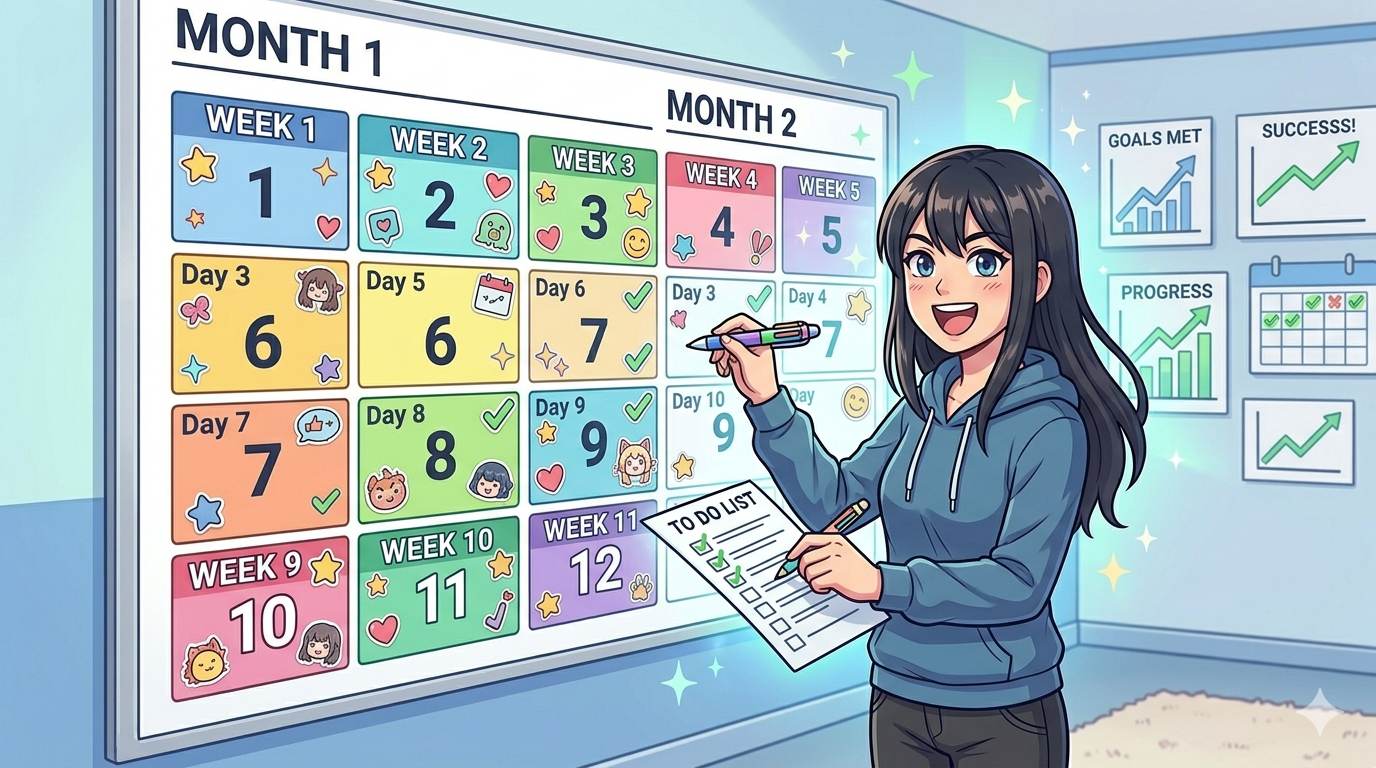
A content calendar is your roadmap. It eliminates the “what do I write next?” paralysis.
What to include in your calendar (use Google Sheets or Notion):
- Post title
- Target keyword
- Content pillar (category)
- Publish date
- Status (draft, editing, published, promoted)
- Notes (internal links, images needed, CTA)
Start with 4-6 weeks planned ahead. Then expand to 90 days.
Step 6: Create High-Value Posts (Not Fluff)
Here is what every post in your blog content strategy should include:
- A compelling headline (use numbers, power words, or questions)
- A hook in the first 100 words (address the reader’s pain directly)
- Clear subheadings (H2, H3) for scannability
- Short paragraphs (2-4 sentences max)
- Bullet points or numbered lists
- Examples, stories, or data
- Internal links to your other posts (keep readers on your site)
- A clear call to action (comment, share, subscribe, or click an affiliate link)
💡 Pro Tip: Write the first draft quickly. Do not edit as you go. Get your ideas down. Then edit ruthlessly. Remove every sentence that does not serve the reader.
Step 7: Measure, Update, and Improve
A strategy is not static. It evolves. Use Google Search Console and Google Analytics to track:
- Which posts get the most traffic?
- What keywords are you ranking for?
- Which posts have high bounce rates? (Readers leave quickly – improve them)
- Which posts have low time on page? (Make them more engaging)
Every quarter, audit your top 20 posts. Update statistics, refresh examples, add new internal links, and improve the content. This keeps your blog fresh and helps you rank higher.
Beginner Mistakes That Destroy Your Blog Content Strategy
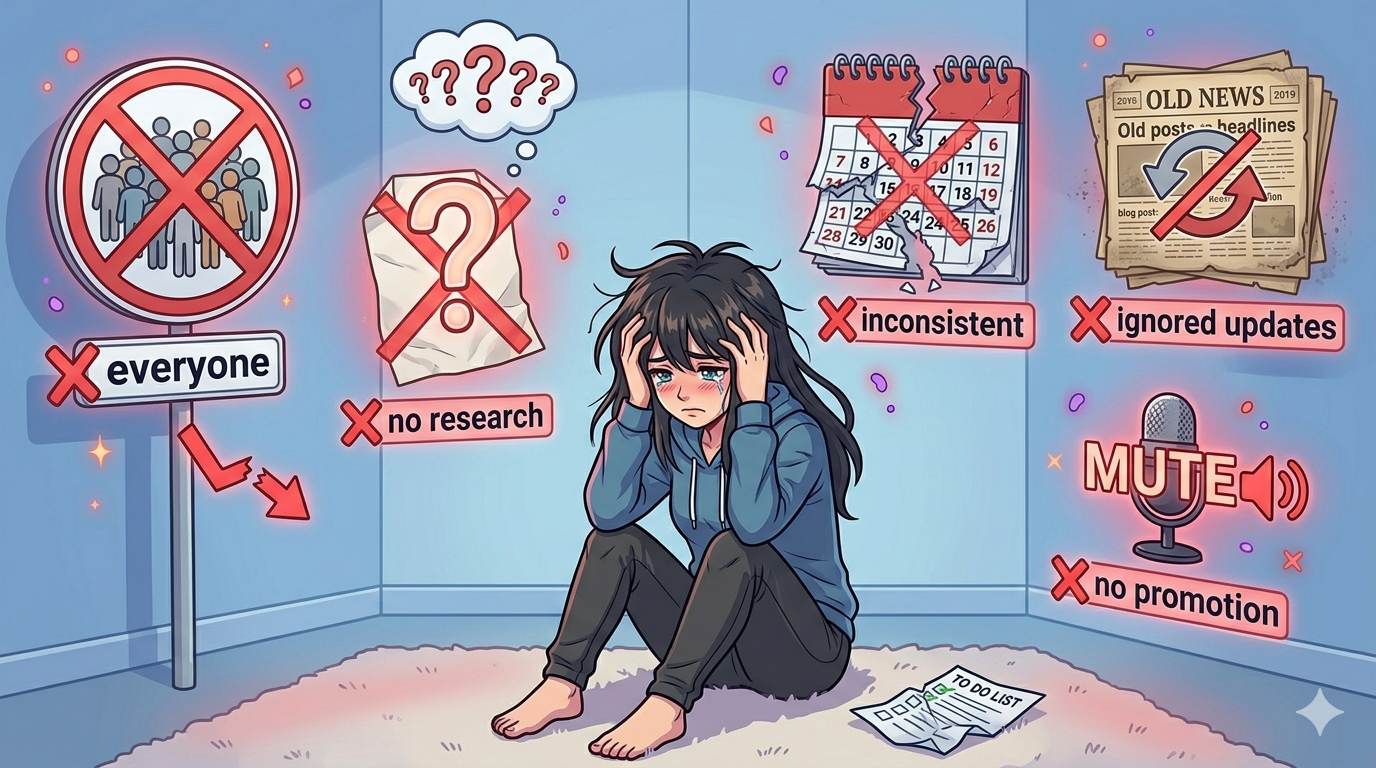
- ❌ Writing for “everyone” (which means no one). Get specific. Narrow down your audience.
- ❌ Skipping keyword research. You might write amazing content that nobody searches for.
- ❌ Posting inconsistently. A blog that publishes once every two weeks loses momentum.
- ❌ Ignoring your old posts. Evergreen content needs updates. Fresh content ranks better.
- ❌ Not promoting your content. Even the best post needs distribution. Share on Pinterest, social media, and newsletters.
- ❌ Copying competitors instead of finding your unique angle. Inspiration is fine. Imitation kills your voice.
Blog Content Strategy vs Random Posting: A Side‑by‑Side Comparison
| With Strategy | Without Strategy |
|---|---|
| Clear audience | No defined reader |
| Focused topics | Random topics |
| Consistent schedule | Spasmodic posting |
| Google rewards you | Google ignores you |
| Readers return | High bounce rate |
| Monetization works | No income |
Your 30-Day Blog Content Strategy Launch Plan
📌 Week 1: Discovery
Define your audience avatar. Name them. Understand their pain points. Identify your 3-5 content pillars.
📌 Week 2: Research & Planning
Use Google, Reddit, and AnswerThePublic to find 20 topic ideas. Build a 90-day content calendar in Google Sheets.
📌 Week 3: Creation
Write and publish your first 2 strategic posts (one per pillar). Use the structure above.
📌 Week 4: Promotion & Measurement
Share your posts on Pinterest, social media, and in relevant communities. Set up Google Search Console to track performance.
Month 2-3: Publish 1-2 strategic posts per week. Update one old post per week. Watch your traffic grow.
FAQ – Blog Content Strategy
- Do I need a blog content strategy if I am just a hobby blogger?
If you want to grow, yes. Even a simple strategy (1 post per week, one clear audience, focused topics) will save you time and frustration. - How often should I publish?
Consistency beats frequency. Publish once per week reliably rather than four times one week and zero the next. - Can I use AI to help with my content strategy?
Yes. Use ChatGPT to brainstorm topic ideas, outlines, and headlines. But write the final content yourself. Your unique voice is your advantage. - How long until I see results from a blog content strategy?
3-6 months with consistent execution. Patience pays. Most bloggers quit too early.

Final Thoughts: Stop Publishing Randomly. Start Building Strategically.
A blog content strategy is not a luxury. It is a necessity in 2026. Omar went from burnout to growth by focusing his strategy. You can too.
You do not need to publish every day. You do not need expensive tools. You need clarity. You need a plan. And you need the discipline to stick with it.
Define your audience. Choose your pillars. Build your calendar. Write strategic posts. Measure and improve.
Do that for six months, and your blog will transform. Do it for a year, and you will have an asset that works for you.
Stop guessing. Start strategizing. Your readers are waiting.
You have got this. 📈