Most Profitable Blog Niche in 2026: Choose Wrong and You’ll Regret It (7 Niches That Actually Pay)
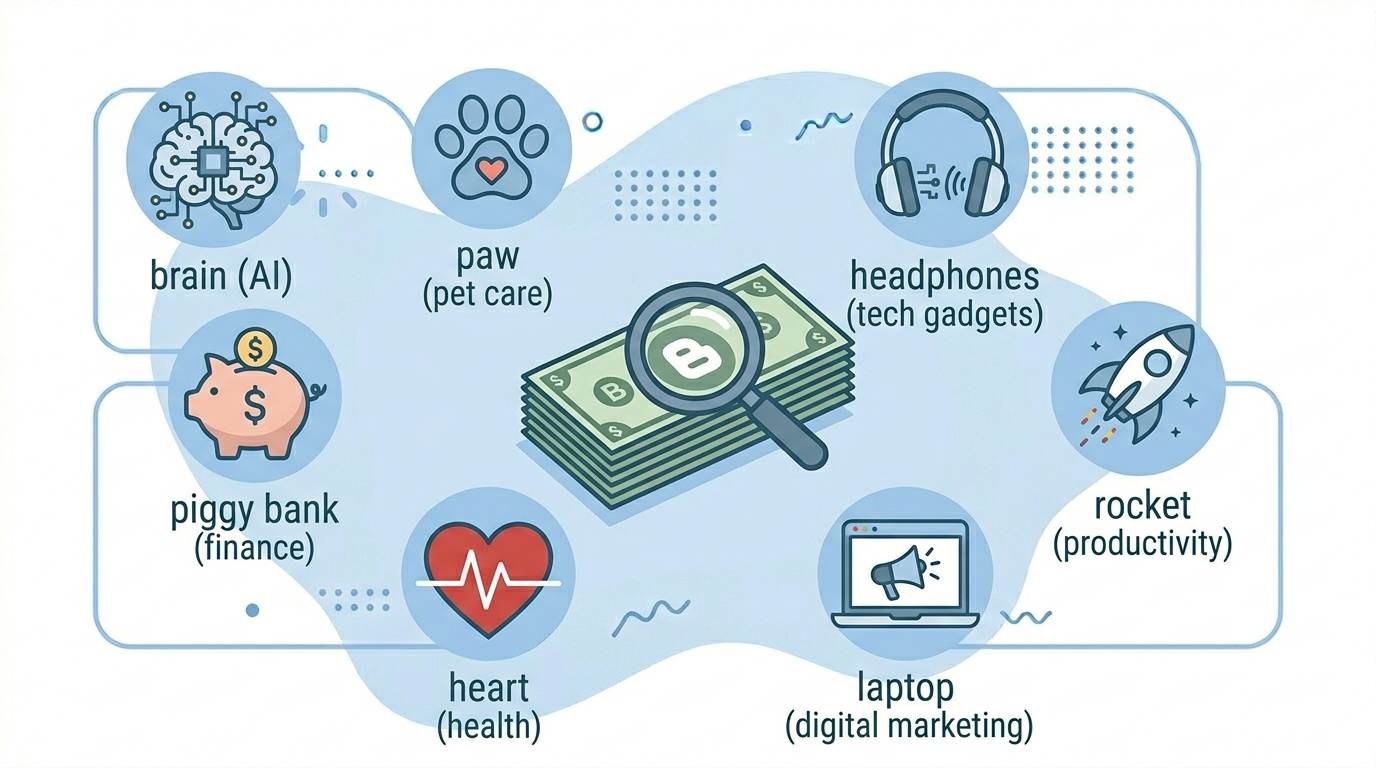
You want to start a blog that makes money. But pick the wrong niche, and you will waste months with zero traffic and zero sales. Here are 7 niches that actually work in 2026 — plus a step‑by‑step system to choose the right one for you.
You have heard the stories. Someone started a blog about houseplants. Now they make $10,000 per month. Someone else writes about pet care. They quit their job last year.
It sounds like magic. But here is the truth.
The difference between a blog that makes money and a blog that collects dust is not luck. It is not talent. It is niche selection. Pick the right niche, and every post you write has earning potential. Pick the wrong one, and you will write for months — with nothing to show for it.
In this guide, I will show you the most profitable blog niche options in 2026, backed by data and real earning potential. Then I will walk you through exactly how to choose the niche that fits you best.
📌 Real story – Ahmed wasted 6 months on the wrong niche
Ahmed started a “lifestyle blog” because everyone said it was flexible. He wrote about food, travel, fashion, and productivity. After six months, he had almost no traffic. Why? His blog was about everything — so Google did not know what to rank him for.
Then he got honest with himself. He loved helping people save money. So he switched to a focused niche: “Budget tips for university students.” Six weeks later, he hit 1,000 monthly visitors. He joined Amazon Associates and started recommending cheap textbooks and budget meal tools. Within three months, he made his first $500. A focused niche beats a broad blog every time.
Do not make his mistake. Let us find your niche now.
⚠️ The #1 lie that keeps beginners stuck:
“You can blog about anything and make money.” False. A blog about your daily life has no buyer intent. A blog about solving a specific problem? That is where the money lives.
What Is a Blog Niche (And Why Does It Matter)?
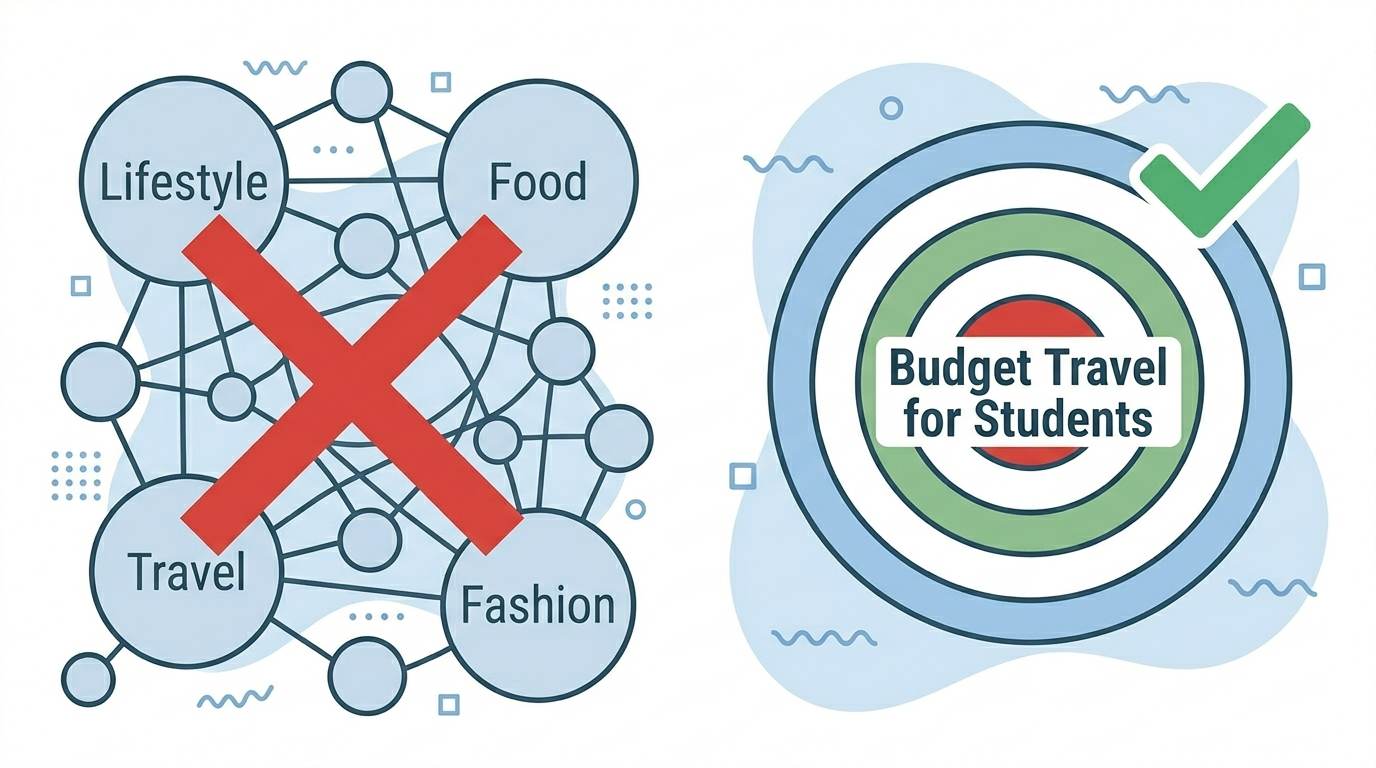
A blog niche is the specific topic your blog focuses on — like personal finance, fitness, or AI tools. It is not “lifestyle” or “everything”.
Why does a niche matter?
- 📈 Builds authority faster – Google trusts blogs that stick to one topic.
- 🎯 Easier to target specific audiences – You know exactly who you are writing for.
- 💰 Makes monetization effective – Affiliate offers and ads work better when your audience has one problem.
- ⚡ Helps your content rank – Search engines reward focused, in‑depth content.
👉 Related: Why Niche Is Important for Blogging Success
The 7 Most Profitable Blog Niches in 2026 (Data‑Backed)
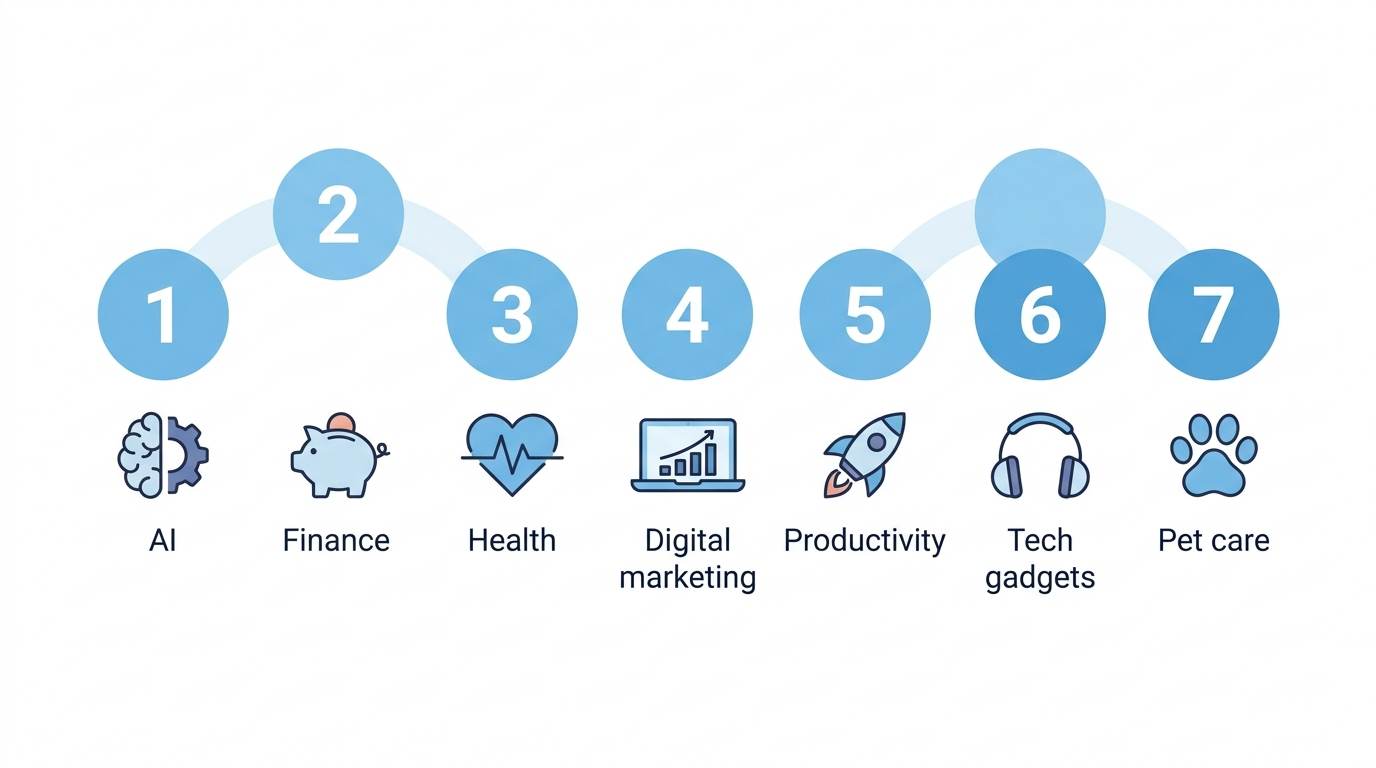
This is the single best niche for 2026. The AI tools market is exploding. Businesses and individuals are adopting AI for content creation, data analysis, automation, and customer service.
Why it is profitable: Recurring commissions. Many SaaS programs pay 20–40% monthly recurring commissions. One good referral can pay you for months or even years[reference:0]. Free trials make it easy for people to sign up through your link.
What to promote: AI writing assistants, chatbot platforms, analytics tools, content generators, project management software.
Example keywords: “best AI writing tool”, “ChatGPT alternatives”, “Jasper vs Copy.ai”.
This niche has dominated profitable blogs for years. The reason is simple: the audience has real information needs and strong buying intent[reference:1]. People actively search for ways to save, invest, and manage debt.
Why it is profitable: Financial products offer high payouts per referral — often $50 to $150 per funded account[reference:2]. Topics like budgeting, investing, credit cards, and side hustles are always in demand.
What to promote: Banking apps (Chime, Revolut), robo‑advisors (Betterment), trading platforms (eToro pays up to $200 per funded account), credit cards, budgeting apps (YNAB, Mint).
Example keywords: “best savings app”, “how to invest for beginners”, “side hustle ideas”.
👉 Related: Most Profitable Blog Niche in 2026
Demand never wanes. People always want to lose weight, get fit, eat better, and reduce stress. The health and wellness sector alone is valued at over $4 trillion, making it the highest‑grossing segment in affiliate marketing[reference:3].
Why it is profitable: Generates revenue through digital product sales — ebooks, coaching programs, online courses. The audience is highly engaged and ready to spend[reference:4].
What to promote: Fitness equipment, supplements, meal plan subscriptions, wearable devices, online workout programs, mental health apps.
Example keywords: “home workout for beginners”, “best protein powder”, “how to lose weight fast”.
Caution: Needs credible sourcing under Google’s E-E-A-T guidelines. Avoid making false health claims.
This niche is popular because monetization comes naturally. The audience is full of people wanting to make money online — which means they are ready to buy tools, courses, and software.
Why it is profitable: SaaS affiliate programs, course sales, and consulting bring in recurring passive income. Bloggers in this space leverage monthly‑commission affiliate marketing, an ideal model for long‑term income[reference:5].
What to promote: SEO tools (Ahrefs, Semrush), email marketing platforms (ConvertKit, MailerLite), website builders (Hostinger, Bluehost), online course platforms, affiliate networks.
Example keywords: “best SEO tool for beginners”, “email marketing guide”, “how to start a blog for free”.
Note: This niche is competitive. But beginners can still win by focusing on micro‑topics within it.
Readers are searching for concrete solutions: changing jobs, building confidence, reaching life goals, managing time better. Demand is exploding in this space[reference:6].
Why it is profitable: Monetization levers are varied — one‑on‑one coaching, online courses, ebooks, membership sites, webinars, and mentorship programs. The audience’s engagement is remarkable because every visitor seeks real long‑term support.
What to promote: Habit tracking apps, productivity planners, online courses, coaching programs, time management tools, meditation apps.
Example keywords: “how to stop procrastinating”, “best productivity app”, “morning routine for success”.
New device launches keep demand high year‑round. Higher‑priced products mean larger commissions per sale[reference:7]. The global cybersecurity market alone is projected to reach $699 billion by 2034[reference:8].
Why it is profitable: People research extensively before buying expensive tech. Well‑written reviews and comparison guides convert exceptionally well.
What to promote: Laptops, smartphones, headphones, smart home devices, VPNs, antivirus software, web hosting (Bluehost, Hostinger).
Example keywords: “best laptop for students”, “top wireless earbuds 2026”, “VPN review”.
Pet owners consistently buy food, accessories, and health services. Recurring purchases and insurance offers make it a reliable revenue niche[reference:9].
Why it is profitable: Loyal audience that spends money on their pets without hesitation. Strong purchase intent on product comparisons and “best of” lists.
What to promote: Pet food subscriptions (Chewy), pet insurance, training courses, grooming tools, travel accessories, health supplements for pets.
Example keywords: “best dog food for allergies”, “cat training tips”, “pet insurance review”.
Note: This niche has lower competition than finance or health, making it great for beginners.
How to Choose Your Most Profitable Blog Niche (4‑Step Framework)
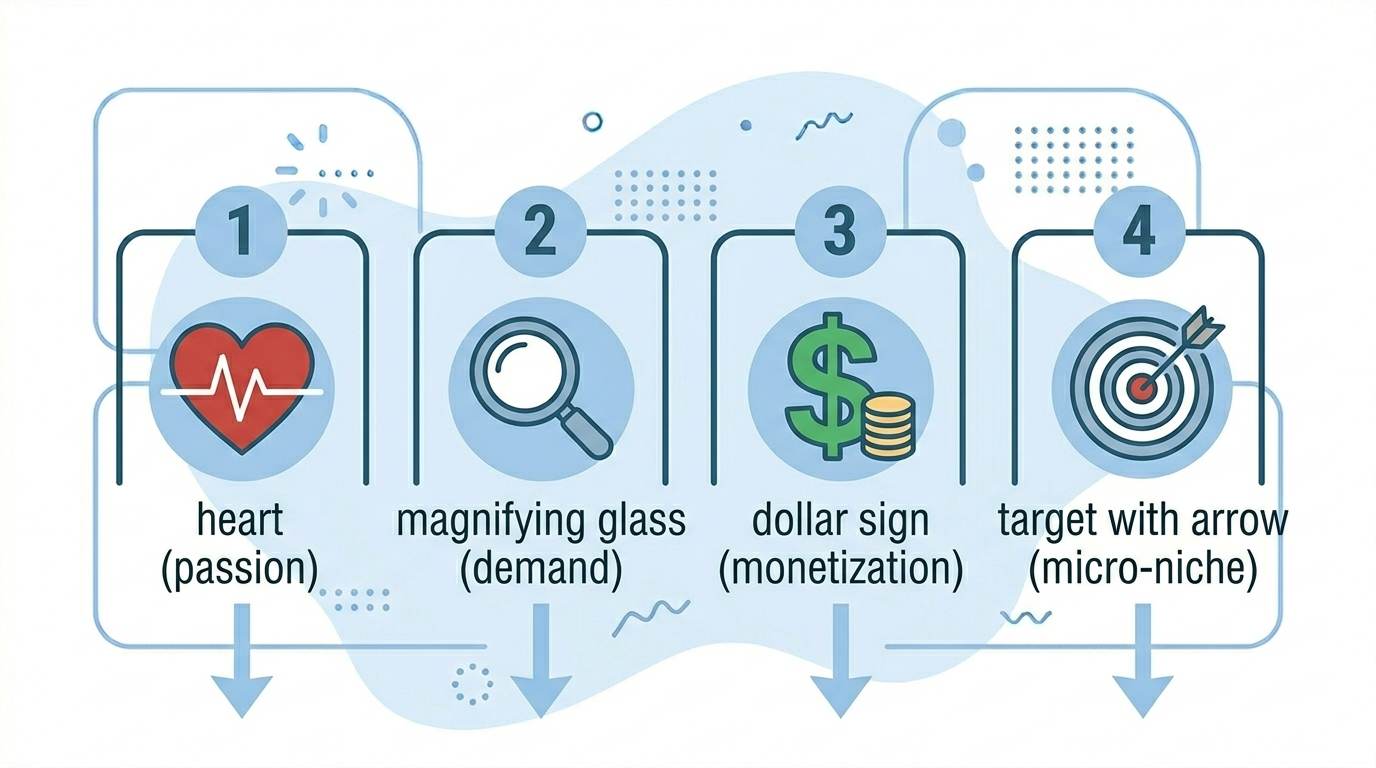
Step 1: Identify Your Passion + Knowledge
You will write dozens of posts. If you hate your niche, you will quit. If you love it, you will keep going.
Ask yourself:
- What could I talk about for hours without getting bored?
- What do people often ask me for advice about?
- What problems have I solved for myself or friends?
Write down 5‑10 ideas. Do not judge them yet. Passion keeps you consistent when results lag. Passion and skills help you create content that sounds credible — not like it was generated in a rush[reference:10].
👉 Related: Low Competition Niches for Affiliate Marketing
Step 2: Validate Market Demand
Your passion does not matter if no one else cares. You need demand.
Quick tests you can do right now:
- 🔍 Google Trends – Is interest growing, stable, or declining?
- 🔍 Keyword research tools – Ubersuggest, Google Keyword Planner, or AnswerThePublic. Target keywords with hundreds or thousands of monthly searches.
- 🔍 Forums and communities – Are there active subreddits, Facebook groups, or Quora discussions about your topic? Their existence proves market interest[reference:11].
If no one is searching, it is not profitable — it is a journal.
Step 3: Check Monetization Potential
Research whether you can actually make money in this niche:
- Are there affiliate programs? (Amazon Associates, ShareASale, CJ Affiliate, or direct brand programs)
- Are there products people actually buy? (Software subscriptions, physical products, digital courses, coaching)
- Do brands run ads or sponsor blogs in this space?
A good blogging niche should have search demand, monetization potential, and long‑term content ideas[reference:12]. No monetization = no long‑term growth.
👉 Related: Best Affiliate Programs for Beginners 2026
Step 4: Narrow Down to a Micro‑Niche
“Fitness” is too broad. “Fitness for busy moms with back pain” is a micro‑niche[reference:13]. Narrowing down helps you attract the right readers, grow faster, and become an authority.
Examples of micro‑niches:
- “Budget meal prep for students” (instead of “food”)
- “Home workouts for beginners” (instead of “fitness”)
- “Freelance writing tips for beginners” (instead of “freelancing”)
- “Study tips for nursing students” (instead of “education”)
Once you narrow down, test your niche. Write 3 sample blog posts. Can you think of 20 more ideas easily? Do you enjoy writing them? If yes — you found your niche.
Common Beginner Mistakes (Avoid These at All Costs)
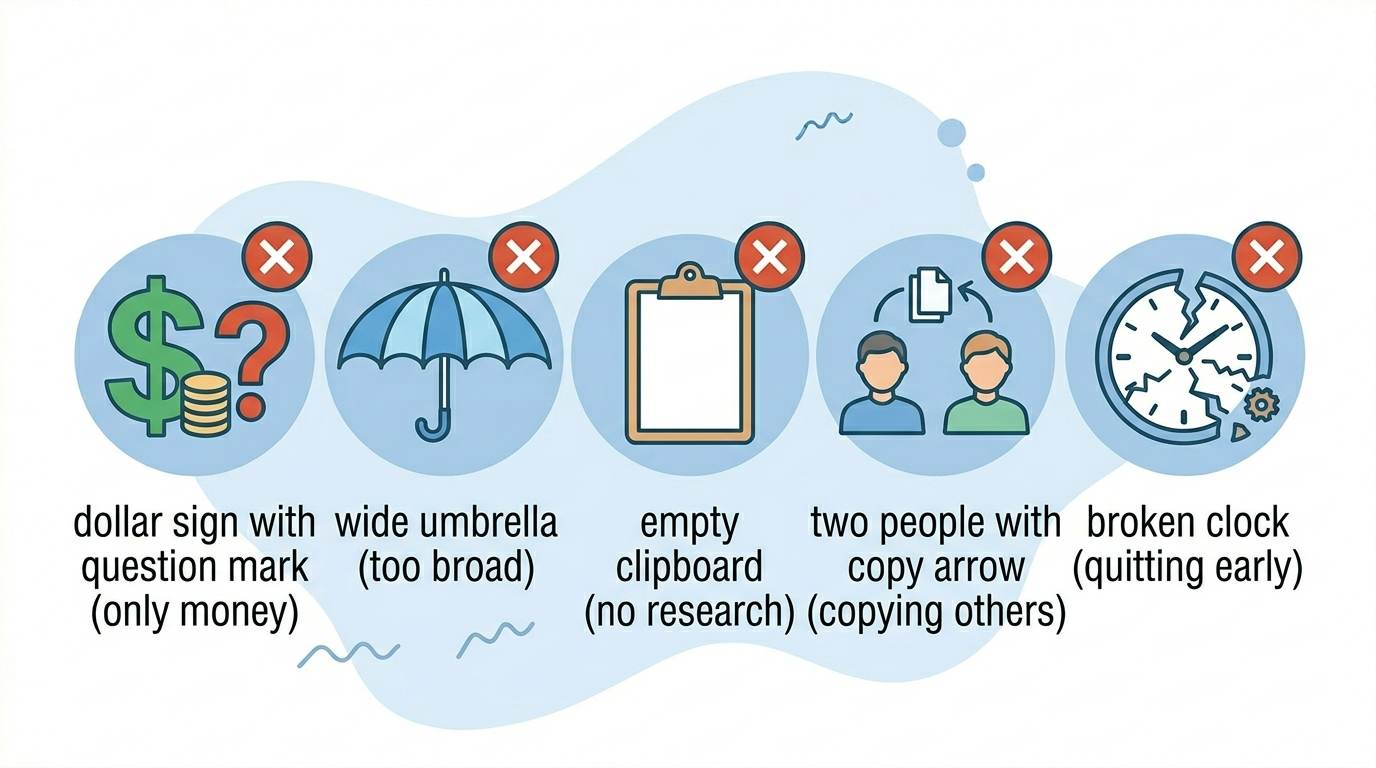
- ❌ Choosing a niche just for money – Without interest, you will burn out fast[reference:14].
- ❌ Picking a niche that is too broad – “Fitness” is not a niche. “Strength training for busy women” is[reference:15].
- ❌ Skipping research – Do not guess. Validate demand with Google Trends and keyword tools.
- ❌ Ignoring monetization until later – Your first blog post should already support future income streams.
- ❌ Copying competitors blindly – Inspiration is fine. Imitation kills your uniqueness (and rankings).
- ❌ Expecting money in week one – It takes time. Think 3‑6 months of consistent posting before real income.
📌 Your 30‑Day Niche Selection Action Plan
Week 1: Brainstorm 10 niche ideas based on your interests and knowledge. Write everything down.
Week 2: Research each niche. Use Google Trends and Ubersuggest to check demand. Eliminate niches with no search volume.
Week 3: Check monetization opportunities for your top 3 niches. Are there affiliate products? Can you earn money?
Week 4: Pick your winner. Write 3 sample posts. Can you think of 20 more ideas? If yes, commit. Then start your blog.
Tools to Validate Your Niche (Free & Beginner‑Friendly)
- Google Trends – Check if interest in your niche is growing or dying.
- Ubersuggest – Free keyword research and competition analysis.
- AnswerThePublic – Discover what questions people are asking in your niche.
- ChatGPT – Brainstorm sub‑niche ideas and article outlines.
- Ahrefs Free Tools – Limited but useful for checking search volume.
FAQ – Most Profitable Blog Niche
- What is the most profitable blog niche right now?
AI tools and SaaS (Software as a Service) is the top niche for 2026 because of recurring commissions and explosive demand[reference:16]. - Can I start a blog with no money?
Yes. Use Blogger (free) or WordPress.com (free). Start with a free domain and upgrade later. - How long until I make money from my blog?
3‑6 months with consistent posting. It takes time to build traffic and trust. - What if I change my mind after choosing a niche?
It is okay. Many bloggers pivot. The key is to start somewhere and adjust as you learn.
Final Words: The Most Profitable Blog Niche Is the One You Stick With
The most profitable blog niche is not the one with the highest search volume. It is not the one with the highest commission.
It is the niche where:
- There is clear audience demand
- You can provide real value
- You actually enjoy writing about it
- And there are monetization opportunities
Ahmed wasted 6 months on the wrong niche. Then he switched to budget tips for students and started earning. Do not be Ahmed — the one who waited too long.
Pick one niche from this list. Or use the framework to find your own. Then start your blog this week.
Your future readers are waiting. You have got this. 💪