Multilingual Blogging for Beginners: How to Reach the World 2026
This post contains affiliate links.
📘 TL;DR – What you’ll learn: 75% of the internet doesn’t speak English. Multilingual blogging opens your content to millions of new readers. This guide shows you how to pick a second language, translate your best posts (using AI or freelancers), set up your blog for multiple languages, and avoid common mistakes – all on a budget. Start reaching the world today.
🔥 The Ceiling You Didn’t Know Existed
You’ve written 50 blog posts. You’ve optimized for SEO. You’ve pinned on Pinterest. But your traffic hit a ceiling. You feel it — that invisible wall, brother.
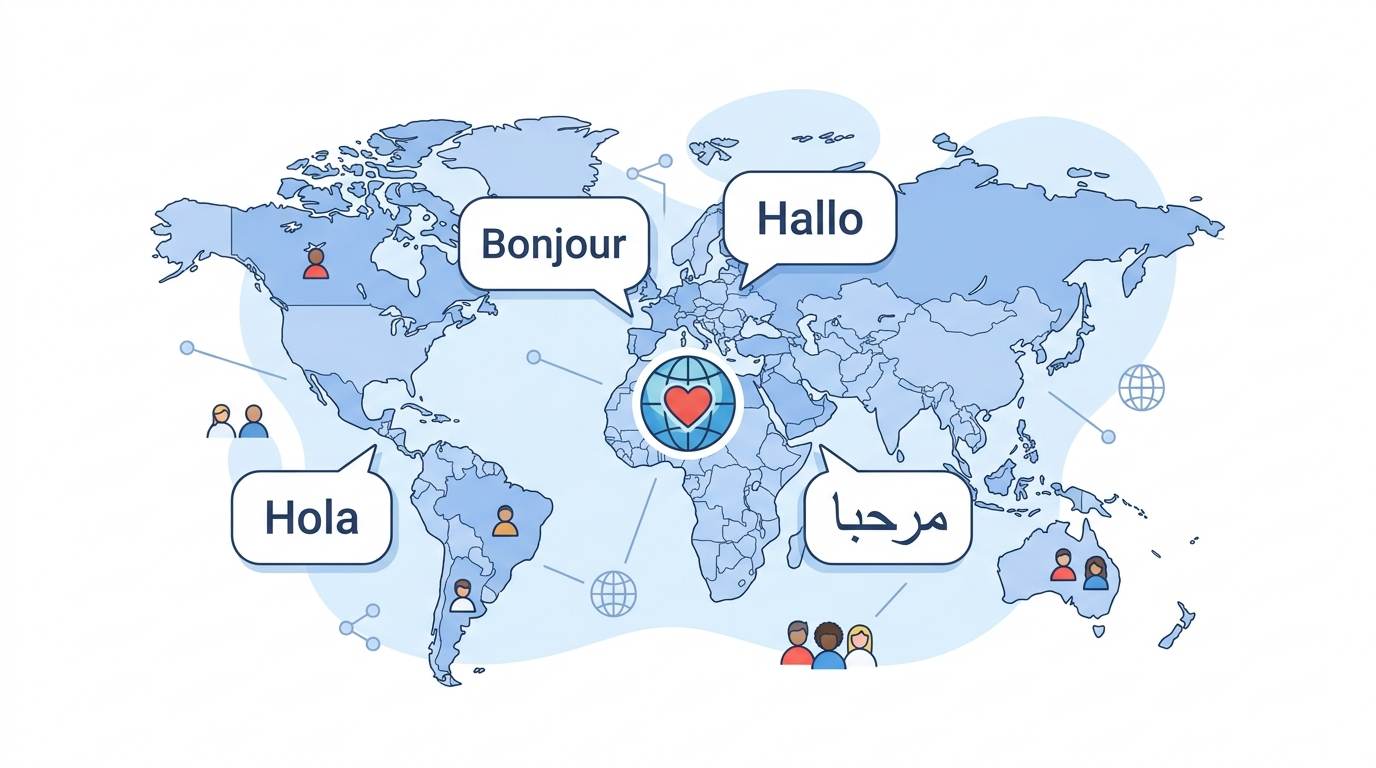
Here’s what nobody told you: English is only 25% of the internet. The other 75%? They speak Spanish, Portuguese, German, French, Arabic, Hindi. And they want content in their language, not yours.
Multilingual blogging for beginners sounds scary. But it’s not. You don’t need to be fluent. You don’t need a big budget. You just need a smart plan. Let me show you exactly how to reach the world in 2026 — starting today.
Before you start translating, make sure you have content worth translating. My guide on Best Niches for Affiliate Marketing can help you identify topics that perform well in non-English markets. And to find underserved audiences, read Low Competition Niches for Affiliate Marketing – many of these niches are wide open in Spanish or German.
📌 Real story – Carlos grew his traffic by 340% in 5 months
Carlos had a fitness blog in English. He was stuck at 2,000 monthly visitors for a year. Then he noticed something: 15% of his readers came from Spain and Latin America, but he had zero Spanish content. He started translating his best posts into Spanish — using AI + a freelance editor for $30/post. No new content. Just translation. Five months later? His traffic jumped to 6,800 monthly visitors. His Spanish posts now outrank his English ones for certain keywords. He didn’t learn Spanish. He just started.
You can do this too.
⚠️ The #1 lie keeping you from going global: “You need to speak the language fluently to start a multilingual blog.” False. Carlos doesn’t speak Spanish. He uses tools and freelancers. Your job is to know your topic — not to be a translator.
📊 Why Multilingual Blogging Isn’t Optional in 2026 (The Stats Hurt)
- 🌍 75% of internet users don’t speak English as their primary language
- 🛒 76% of online consumers prefer buying from sites in their own language
- 🚫 40% will never buy from a website in a different language
- 📉 Only 6% of online content is in Spanish — yet 500+ million people speak it
- 🚀 One blogger saw 41% traffic growth in 3 months just from translations
This isn’t a nice-to-have. It’s a competitive advantage most bloggers ignore. While they fight for English keywords with millions of competitors, you could rank for Spanish keywords with almost zero competition.
🌐 What Multilingual Blogging Really Means (Not Just Google Translate)
Translation = converting words from one language to another.
Localization = adapting content so it feels native — culture, examples, prices, jokes, references.
A perfect translation can still fail if it feels robotic. Example: “Budget travel” in English becomes “viajes económicos” in Spanish — but a localized version for Mexico would mention pesos, local bus lines, and street food prices.
As a beginner, start with good translation. Improve to localization over time.
📋 The 6-Step Roadmap to Launch Your Multilingual Blog (No Budget Required)
Step 1: Pick ONE Extra Language (Don’t Overthink)
Beginners freeze trying to translate into 10 languages. Start with one. How to choose:
- Check your analytics: Where are your international visitors from?
- Look for languages with LOW competition in your niche
- Best starter languages: Spanish (500M speakers), Portuguese (215M), French (300M), German (100M)
Step 2: Choose Your Translation Method (Budget-Friendly)
- Option 1: Human translation (accurate, $$) – $0.08–$0.25/word. Great for important pages.
- Option 2: Machine only (fast, $0) – Google Translate, DeepL, ChatGPT. Good for starting, but review everything.
- Option 3: Hybrid (sweet spot for beginners) – AI first draft + manual review + local freelancer for important posts. Best of both worlds.
Step 3: Set Up Your Blog Platform
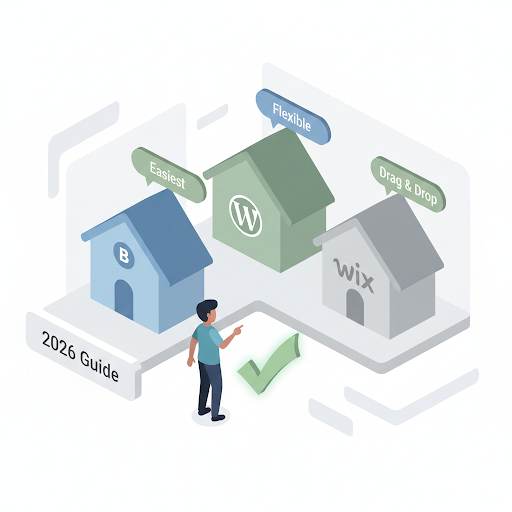
WordPress is the winner here. Plugins make multilingual blogging easy. If you’re still on Blogger, it’s time to switch to a proper hosting platform. Bluehost offers one-click WordPress installation and a free domain – perfect for beginners.
Step 4: Translate Core Pages First (Not Everything)
Most beginners try to translate every post. They burn out in 2 weeks. Prioritize in this order:
- 🏠 Homepage – first impression matters
- 👤 About page – builds trust in every language
- 📈 Your 5-10 most visited posts – check your analytics
- 🌲 Evergreen content – posts that stay relevant for years
- 🌍 Posts relevant to that language audience
Start small. You can always add more later.
Step 5: Add a Language Switcher (Make It Obvious)
Don’t hide your translated content. Make it easy to find.
- Where: Top right corner, main navigation, or header dropdown
- How: Use language names (Español, Français, Deutsch) NOT just flags. Flags can confuse or offend.
Step 6: Basic Multilingual SEO (Don’t Skip)
You translated the content. Now tell Google it exists. You need hreflang tags. These tell Google which language version to show to which user.
Other SEO must-dos:
- Translate meta titles and descriptions for each language
- Localize keywords (don’t just translate — “budget travel” vs “viajes económicos” — which do people actually search for?)
- Create language-specific XML sitemaps (most plugins do this automatically)
❌ Common Beginner Mistakes (Avoid These at All Costs)
- ❌ Relying only on Google Translate without reviewing – It’s a start, not the finish line.
- ❌ Using only flags without language labels – Not everyone recognizes every flag.
- ❌ Mixing multiple languages in one post – Pick one language per post.
- ❌ Forgetting SEO for each language – Translated content needs translated metadata.
- ❌ Not updating all versions – Keep translations in sync or readers lose trust.
💡 The Brutal Truth (Read This Twice)
Most bloggers ignore 75% of the internet because they’re scared of translation. They think it’s too hard, too expensive, or too technical. Meanwhile, smart bloggers like Carlos are quietly growing their traffic by 340% with simple translations.
You don’t need to be perfect. You just need to start. Pick one language. Translate your best post. See what happens. Then do it again. The world’s largest audience doesn’t speak English. They speak Spanish, Portuguese, French, German, Arabic, Hindi. And they’re searching for exactly what you know.
Carlos did it. You can too. (If you need traffic strategies for your new language content, my 8 Free Traffic Strategies guide works in any language – share your posts in local Facebook groups and on regional Pinterest boards.)
⚠️ Remember: A decent translation published today is better than a perfect translation never published. Start small, learn, improve.
📅 Your 30‑Day Multilingual Launch Plan
- Week 1: Check analytics. Pick ONE extra language. Install TranslatePress or Polylang.
- Week 2: Translate homepage + about page + 2 top posts. Set up language switcher.
- Week 3: Implement hreflang tags. Test in Google Search Console.
- Week 4: Publish ONE new post directly in the new language (not translated from English). Promote it in local communities.
- Month 2+: Translate 2-3 existing posts per week. Monitor traffic growth. Consider adding a third language after 3 months.
After 30 days, you’ll have opened your blog to millions of new readers. $0–$50 spent to start.
🙋 Frequently Asked Questions
Do I need to speak the language fluently?
No. Use AI + freelancers. Your expertise is the topic, not the translation.
Will Google penalize me for duplicate content?
No — if you use hreflang tags correctly. Google knows different languages are not duplicates.
How much does it cost to start?
$0 if you use free plugins and AI translation (DeepL, ChatGPT). Under $50 if you hire a freelancer for key posts.
Should I translate everything at once?
No. Start with your best 5-10 posts. Translate new posts going forward. Back-fill later.
What if my platform is Blogger, not WordPress?
Blogger is harder for multilingual. Consider switching to WordPress. Bluehost (linked above) makes it easy and affordable.
🎤 Final Words: The World Is Waiting. Open the Door.
Multilingual blogging for beginners isn’t about being perfect. It’s about being present. The world’s largest audience doesn’t speak English. They speak Spanish, Portuguese, French, German, Arabic, Hindi. And they’re searching for exactly what you know.
Carlos did it. You can too.
Pick one language today. Translate your best post this week. See what happens. Then do it again.
Your global readers are waiting. Don’t keep them waiting forever. You’ve got this, brother. 🌍
👉 Ready to reach the 75% of the internet that doesn’t speak English? Start your multilingual blog with Bluehost (Free Domain + SSL) →