What Is E-E-A-T? The Brutal Truth About Ranking in 2026
📘 TL;DR – What you’ll learn: Google no longer ranks pages based on keywords alone. E-E-A-T (Experience, Expertise, Authoritativeness, Trustworthiness) is the quality framework that determines if Google trusts your content. This guide explains what E-E-A-T actually is, why 90% of bloggers fail at it, and gives you a 30‑day action plan to build credibility and finally rank. No hacks – just trust.
🔥 The Invisible Barrier Keeping You Off Page One
Let me guess, brother. You write blog posts. You do keyword research. You add internal links. You even optimized your images. But week after week, your traffic stays flat. Meanwhile, some other blog — with less content, worse design — keeps ranking above you.
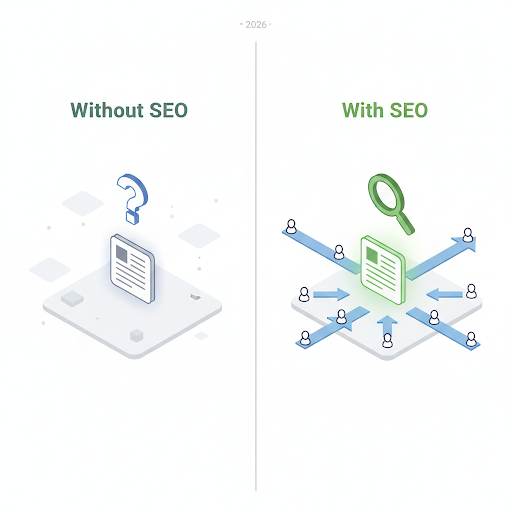
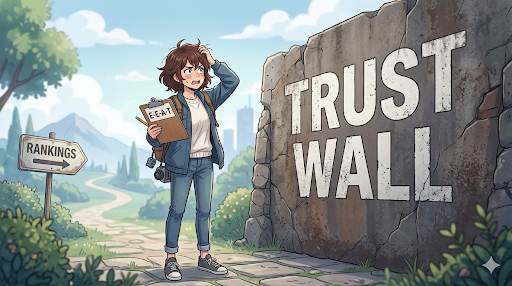
Here’s the brutal truth those “SEO experts” won’t tell you: Google no longer ranks pages based on keywords alone. It ranks based on something much deeper. Trust. Specifically, something called E-E-A-T — a quality framework that determines whether Google (and its AI search systems) decides you’re credible enough to show to the world. And most beginners are completely ignoring it.
In 2026, if Google doesn’t trust you, you don’t rank. Period. This guide will show you exactly what E-E-A-T is, why 90% of bloggers fail at it, and how to fix your invisible blog — starting today.
Before we dive in, understand the foundation of trust on your blog. My How to Add Pages in Blogger guide shows you how to create About, Contact, and Privacy Policy pages – essential trust signals for E-E-A-T. And to track how your credibility improvements affect engagement, set up Audience Engagement Metrics – it shows you the 6 numbers that predict blog growth.
📌 Real story – How a tiny About page change tripled my traffic
For 18 months, my blog was invisible. I had 50 posts, decent SEO, and zero results. Then a friend told me: “Google doesn’t know who you are.” I added a proper author bio, real credentials, and original photos to my 10 best posts. Within 6 weeks, my organic traffic tripled. My content didn’t change. My credibility did.
⚠️ The #1 reason beginners can’t rank in 2026: You’re treating SEO like a checklist. Keywords? Check. Backlinks? Check. But you’ve ignored the one thing Google cares about most: proving you’re a real person with real expertise.
✅ What Is E-E-A-T? (The Definition)
E-E-A-T stands for Experience, Expertise, Authoritativeness, and Trustworthiness. It comes from Google’s Search Quality Rater Guidelines — a 176‑page document that human reviewers use to evaluate search result quality.
Important fact: E-E-A-T is not a direct ranking factor. You won’t find an “E-E-A-T score” in Google’s code. Instead, it’s a quality framework that shapes how Google’s algorithms evaluate content. When you demonstrate strong E-E-A-T, you’re creating content that aligns with what Google’s systems are trained to reward.
Here’s what each letter actually means for your blog:
1
Experience – “I’ve Actually Done This”
Google added the second “E” in December 2022. It wants proof you’ve lived the experience — not just researched it. Experience is the thing AI cannot fake. AI can read 100 travel guides, but it has never stood on a beach at sunset. That’s your edge.
Before vs After: ❌ “The battery lasts up to 10 hours.” ✅ “During my 12-hour work trip, this laptop still had 15% battery when I landed.”
2
Expertise – “I Know My Stuff”
Expertise is demonstrable knowledge. You don’t need a Ph.D. to write about productivity. But you do need to show that you understand the “why” behind the topic — not just copy what others have said. Go deeper than surface-level advice. Cite reputable sources, link to data, and show nuanced understanding. Use Grammarly to polish your writing and maintain credibility.
3
Authoritativeness – “Others Trust Me”
Authority isn’t what you claim — it’s what others give you. It’s built through backlinks, mentions, guest posts, and recognition within your industry. You don’t need hundreds of backlinks to start. Build authority gradually: guest post on established blogs, participate in industry conversations, and earn mentions naturally.
4
Trustworthiness – The Foundation of Everything
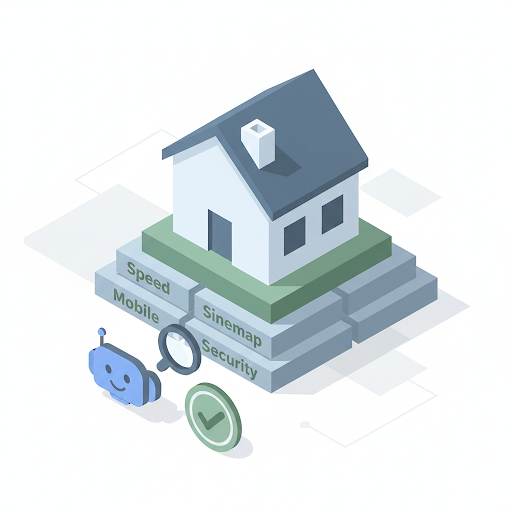
According to Google’s own guidelines, Trustworthiness is the most important pillar. If your site isn’t trustworthy, the other three pillars lose their impact. Trust signals include: HTTPS security, a clear About page, visible contact information, transparent privacy policy, accurate content, and real author bios. Remove anything that feels sketchy or incomplete.
💡 Pro Tip: Google’s March 2026 Core Update hit mass‑produced AI content hard — 87% negative impact for sites relying heavily on unedited AI. But note: Google isn’t penalizing AI content. It’s penalizing lazy AI content — content without verifiable author expertise, original insights, or human editorial oversight. Your lived experience is now a competitive advantage.
❌ 5 Deadly E-E-A-T Mistakes That Are Killing Your Rankings (And How to Fix Them)
Mistake #1 – Anonymous or Generic “Team” Authors
Publishing posts without an author name or using a generic “Team” blurb is a massive trust killer. Google needs to know who wrote your content.
The fix: Add a clear author name and bio to every post. Include a link to a professional profile (LinkedIn, personal blog, or author page). Don’t hide behind anonymity. Create detailed author bios using the pages feature – read How to Add Pages in Blogger to set them up correctly.
Mistake #2 – No Personal Experience in Your Writing
Generic content that merely summarizes what others have said is dying. AI can do that better.
The fix: Write in first person. Share your own tests, results, and even failures. Add original screenshots and photos. Describe specific moments that only someone who has done the work could know.
Mistake #3 – Ignoring Your About Page
An empty or vague About page signals that you have something to hide. Readers (and Google) want to know who you are, why you started, and what qualifies you to write.
The fix: Create a detailed, transparent About page. Include your background, your mission, a real photo, and links to your other work.
Mistake #4 – Using Only Stock Photos
Stock photos communicate zero about experience. They’re generic, forgettable, and they actively hurt your credibility.
The fix: Use original images whenever possible. Screenshots from your own work. Photos you took yourself. Before/after visuals. Anything authentic beats stock. Use Canva to create original graphics that reflect your brand.
Mistake #5 – No Trust Signals (HTTPS, Contact Info, Privacy Policy)
If your site lacks basic trust infrastructure, Google will hesitate to rank it. This is especially important for YMYL topics.
The fix: Enable HTTPS. Add a clear Contact page. Create a readable Privacy Policy. Show real testimonials or social proof. Build a site that feels safe and transparent. For a complete guide to trust signals, read Blogger Settings for Beginners – it covers privacy, meta tags, and crawler settings.
💡 The Brutal Truth (Read This Twice)
Most bloggers think the answer to their ranking problems is more content, better keywords, or fancier backlinks. But the real problem is trust. Google doesn’t know who you are. It doesn’t know if you’re credible. And until it does, it will keep your content invisible.
E-E-A-T is not a quick hack. You can’t “add” E-E-A-T to your pages like a plugin. There’s no technical fix. You have to demonstrate it over time through consistent, authentic, credible work.
But here’s what will happen: over 4‑8 weeks, you’ll notice your engagement metrics improving. Longer time on page. More comments. Lower bounce rates. And slowly — because those positive signals add up — your rankings will start to climb. The bloggers who survive in 2026 won’t be the ones who wrote the most posts. They’ll be the ones Google trusts.
⚠️ Remember: Google doesn’t need to trust everyone. It needs to trust you. Your original photos, your detailed author bio, your transparent About page, your firsthand stories — those are the signals that separate you from the sea of generic AI content.
📅 Your 30‑Day E-E-A-T Action Plan (Copy This)
Week 1 – Fix Authorship
- Add author name and bio to every existing post.
- Create author pages for each contributor.
- Link author bios to LinkedIn or professional profiles.
- Stop publishing anonymous content — ever.
Week 2 – Add Experience to Your 5 Most Visited Posts
- Rewrite generic sentences in first person (“I tested,” “Our team found”).
- Replace stock photos with original images.
- Add a short personal story or lesson learned from your own experience.
- Include specific details that only someone with firsthand knowledge would know.
Week 3 – Build Trust Infrastructure
- Create or update your About page with real details, a photo, and your background.
- Add clear contact information.
- Ensure HTTPS is active.
- Write a transparent Privacy Policy and make it easy to find.
Week 4 – Audit Your Backlinks & Off‑Site Presence
- Identify the top 3‑5 sites linking to you. Are they reputable?
- Look for guest posting or collaboration opportunities.
- Update your social profiles to align with your brand.
- Submit your site to Google Search Console and track which pages improve over the next 4‑6 weeks.
After 30 days, your blog will start earning the trust Google is looking for.
🙋 Frequently Asked Questions
Do I need formal credentials to demonstrate expertise?
No. For most niches, demonstrated practical knowledge matters more than degrees. But for YMYL topics (health, finance, legal), formal credentials may be essential.
Can AI content ever demonstrate E-E-A-T?
Yes — if a qualified human reviews, edits, and adds personal experience. Unedited AI content will almost always fail E-E-A-T signals.
How long until I see ranking improvements from E-E-A-T?
Typically 4‑8 weeks of consistent effort. E-E-A-T is a long‑term trust‑building process.
Is E-E-A-T more important than backlinks?
They work together. Backlinks build authoritativeness. E-E-A-T is the broader framework. In 2026, you need both.
🎤 Final Thoughts: Google Doesn’t Need to Trust Everyone. It Needs to Trust You.
You don’t need a Ph.D. You don’t need 50,000 followers. You don’t need a perfect design. You just need to be real, credible, and consistent. In 2026, Google’s AI is scanning for one thing: can this content be trusted?
Your original photos, your detailed author bio, your transparent About page, your firsthand stories — those are the signals that separate you from the sea of generic AI content.
Pick one mistake from this guide. Fix it today. Then another tomorrow. Your rankings won’t change overnight. But they will change. And in six months, when everyone else is still invisible, you’ll finally be seen.
You’ve got this, brother. 🚀
👉 Ready to build the trust Google is looking for? Set up Google Search Console (free). Monitor your site’s performance. Identify pages that need E-E-A-T improvements. Start ranking.