Email Marketing Campaign: The Brutal Truth About Open Rates in 2026
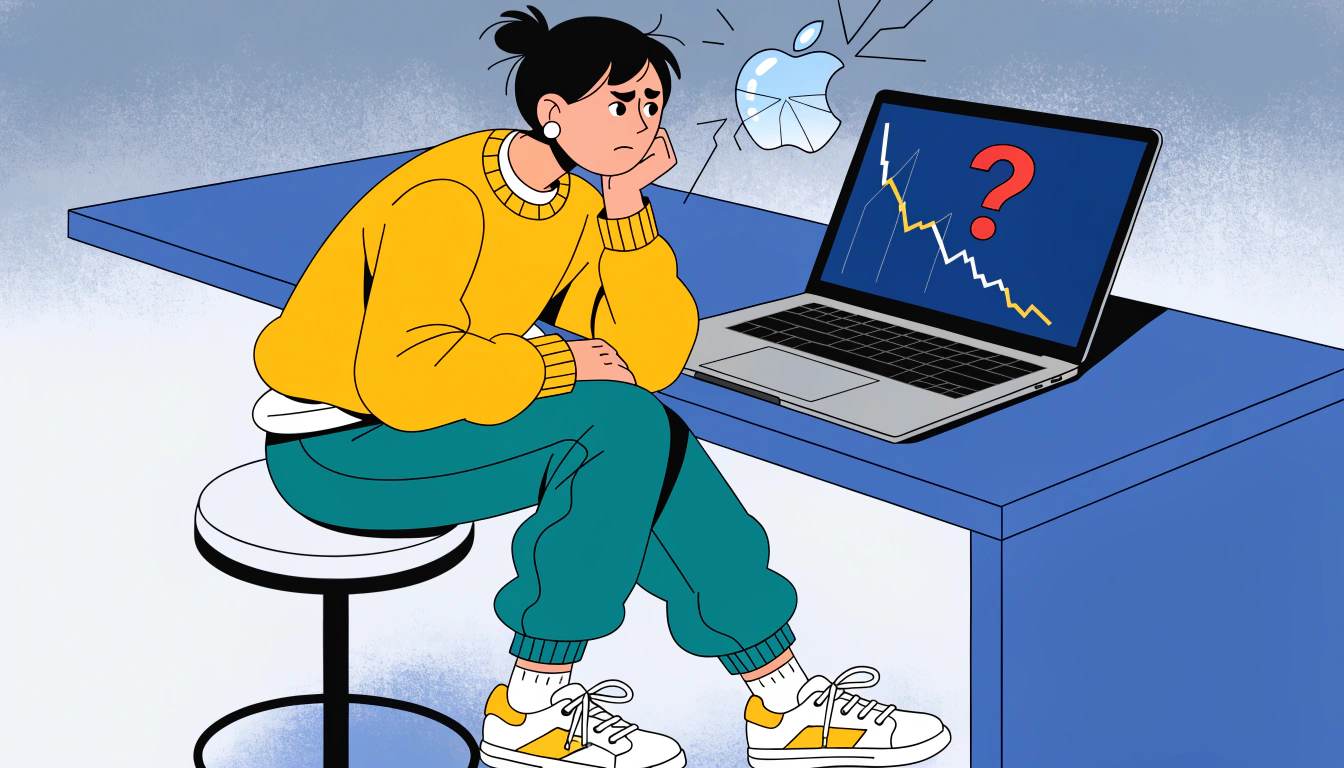
📘 TL;DR – What you’ll learn: Apple’s Mail Privacy Protection (MPP) has made email open rates unreliable since 2021. By 2026, obsessing over opens is a waste of time. This guide shows you what metrics actually matter (clicks, replies, conversions) and gives you a 7‑day plan to run email campaigns that work – even if your open rates look terrible.
🔥 The Email Metric That Died in 2021
You’ve probably heard that email marketing is dead. It’s not. But open rates as you knew them? They’re gone, brother. In 2026, if you’re still obsessing over how many people “opened” your email, you’re wasting time on a number that’s been broken since Apple’s Mail Privacy Protection (MPP) rolled out. Let me explain why – and what you should track instead.
Before we dive into the new metrics, make sure you understand the fundamentals of writing emails people actually want to read. My guide on Email Marketing Best Practices covers 10 proven tips for opens, clicks, and sales (but ignore the open rate part – we’ll fix that here). And to track the right numbers, read Audience Engagement Metrics – the same principles apply to email.
📌 True story – Omar
Omar used to celebrate 50% open rates. Then Apple’s update hit. His opens dropped to 18% overnight. He panicked. But after digging deeper, he realized his clicks and sales hadn’t changed. The problem wasn’t his emails – it was the metric. He stopped chasing fake opens and started focusing on real engagement.
⚠️ Here’s the hard truth: If you’re still optimizing subject lines for opens in 2026, you’re playing a rigged game. Apple already won. Time to change your playbook.
✅ What Happened to Open Rates? (The Apple Effect)
In 2021, Apple introduced Mail Privacy Protection (MPP). By 2026, over 60% of all emails are opened on Apple devices. MPP automatically pre‑loads tracking pixels, so every email sent to an Apple user shows as “opened” – even if they never saw it. It went straight to junk? Still counts as an “open.” They deleted it without looking? Still an “open.”
Your open rate is now inflated with false positives. You cannot trust it. Yet most email marketing guides still tell you to optimize subject lines for opens. That’s bad advice in 2026. Dangerous advice, even, because it leads you to optimize the wrong thing.
📊 What Actually Matters Now (The Real Metrics That Pay)
Stop obsessing over vanity. Start tracking these five numbers instead:
- Click-Through Rate (CTR): This hasn’t changed. If someone clicks a link, they actually engaged. That’s real.
- Click-to-Open Rate (CTOR): Clicks divided by (real) opens – a better measure of relevance than raw opens.
- Reply Rate: When someone replies, they care deeply. This is pure gold for building relationships.
- Conversion Rate: The only number that pays your bills. Clicks don’t matter if nobody buys or joins.
- Unsubscribe Rate: If it spikes, your content or frequency is off. Listen to it.
Stop optimizing for opens. Start optimizing for clicks and replies. For more on creating content that drives these actions, see Tips for Creating Content – your emails are content too.
🚀 How to Run an Email Marketing Campaign That Works in 2026
Here’s the new playbook – no fake metrics, just results. Follow these five rules:
- 1. Write subject lines for humans, not bots. Be clear, curious, or helpful. Avoid clickbait – it works once, then people ignore you forever.
- 2. Focus on the preview text. After subject lines, preview text is what Apple users see. Use those extra characters to add value or curiosity.
- 3. Make your call‑to‑action the hero. One clear, clickable button. Not ten links. Not a paragraph of text. One button.
- 4. Send from a real person. Use your name, not “noreply” or “company name.” People reply to people, not faceless brands.
- 5. Track clicks, not opens. Set up click tracking in your email platform. That’s your north star now.
💡 The Brutal Truth (Read This Twice)
Here’s what most email marketing guides won’t tell you: your open rate is a lie. Apple inflated it for millions of senders. Meanwhile, some of the most profitable email campaigns have “low” open rates (20‑25%) but high click and conversion rates. Why? Because they attract the right people, not the most people.
If you’re still obsessing over getting 50% opens, you’re playing a rigged game. You’re optimizing for a metric that doesn’t reflect reality. Switch to metrics that matter: clicks, replies, and sales. Those numbers don’t lie. And they’re what actually pay your rent.
Stop chasing vanity metrics. Start building real connection.
⚠️ Remember: An engaged subscriber who clicks and replies is worth more than 1,000 “opened but ignored” subscribers. Quality over quantity. Always.
📅 What to Do Instead: 7‑Day Email Campaign Reset
- Day 1: Ignore your open rate. Seriously. Don’t look at it. Pretend it doesn’t exist.
- Day 2: Find your best email from last month – sort by clicks, not opens. That’s your winner.
- Day 3: Write a new subject line that promises one clear benefit. No clickbait.
- Day 4: Add a single, bold CTA button. Remove all distracting links (keep 1‑2 max).
- Day 5: Send a test email to yourself – check mobile view and click tracking. Fix anything broken.
- Day 6: Send the email to your list at a different time than usual (test something new).
- Day 7: Analyze clicks and replies. Ignore opens completely. Let the real data guide your next move.
After 7 days, you’ll have real data you can trust. $0 spent. No more fake metrics.
🙋 Frequently Asked Questions
If open rates are broken, should I stop looking at them entirely?
Not entirely, but don’t make decisions based on them. Use open rate as a very rough trend indicator (e.g., if it drops from 30% to 10% over months, something might be wrong with deliverability). But for campaign optimization, focus on clicks and replies.
What’s a good click‑through rate in 2026?
2‑5% is decent for most industries. 5‑10% is great. Anything above 10% is outstanding. Compare against your own historical data, not generic benchmarks.
Does Apple MPP affect all email platforms?
Yes. Whether you use GetResponse, MailerLite, ConvertKit, or any other platform, open rates are inflated. The problem is at the email client level, not your tool.
How can I estimate real opens?
You can’t perfectly. But you can look at click‑to‑open rate (CTOR). If your CTOR is high (e.g., 30‑50%), you know the people who actually saw your email engaged well. That’s more useful than raw opens.
Should I still test subject lines?
Yes, but test for clicks, not opens. A subject line that gets more clicks is more valuable than one that gets more fake opens.
🎤 Final Thoughts: Stop Chasing Fake Opens
The brutal truth about open rates is hard to accept. You’ve probably been told that open rates are everything – that 50% opens means you’re a genius and 10% means you’re failing. They’re not. In 2026, the smart email marketers have moved on. They track clicks, replies, and conversions. They write emails that people actually want to read – not just open by accident.
Your email marketing campaign doesn’t need perfect open rates. It needs engaged subscribers who take action. Focus on that, and the money will follow. Stop obsessing. Start sending.
👉 Ready to stop chasing fake opens and start getting real results? Try GetResponse or MailerLite – both have free plans to track clicks, not fake opens.