Blogging Essentials for Beginners in 2026 – Your First 7 Steps to Success
This post contains affiliate links.
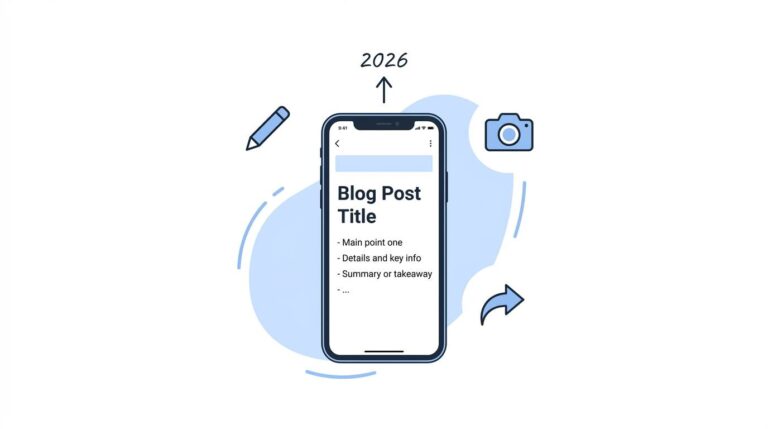
📘 TL;DR – What you’ll learn: Starting a blog doesn’t have to be complicated. This guide covers the 7 essential steps every beginner needs: a clear purpose, a beginner‑friendly platform, a niche you care about, basic setup, writing like you talk, simple SEO, and consistency. No fluff. No jargon. Just the real essentials to launch with confidence.
🔥 The Overwhelm That Stops Most Beginners
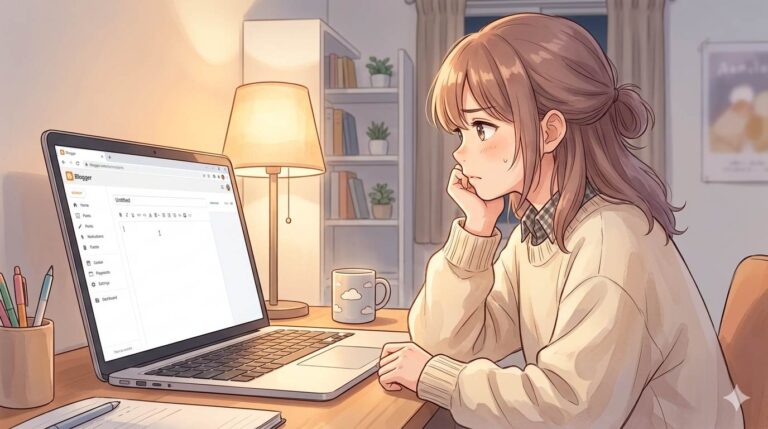
Let me ask you something, friend. So, you want to start a blog? Let’s keep it real. Starting a blog can feel exciting — and overwhelming. You’re probably wondering: What do I actually need to begin? Do I need to spend money? Is blogging still worth it in 2026? You’re not alone. Everyone starts somewhere, and if you’re totally new, this guide is for you. We’re cutting through the noise and focusing on the real blogging essentials for beginners that matter. No jargon. No BS. Just straight‑up advice to help you launch with confidence.
Before we dive into the steps, understand the foundation of a successful blog. My How to Start a Blog on Blogger guide walks you through the setup in minutes. And to find content ideas that resonate with your audience, read Content Ideation Secrets – it covers 7 ways to never run out of topics.
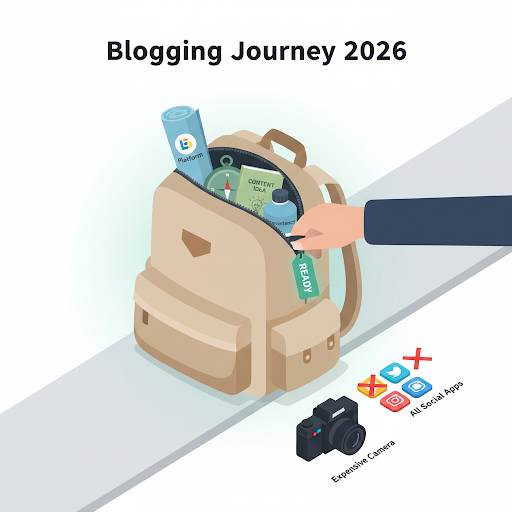
📌 Quick truth: You don’t need to be perfect to start. You don’t need expensive tools or a big audience. You just need a reason to write, a platform to publish on, and the courage to hit “publish.” The rest you’ll learn along the way.
✅ 1. A Clear Purpose: Why Are You Starting This Blog?
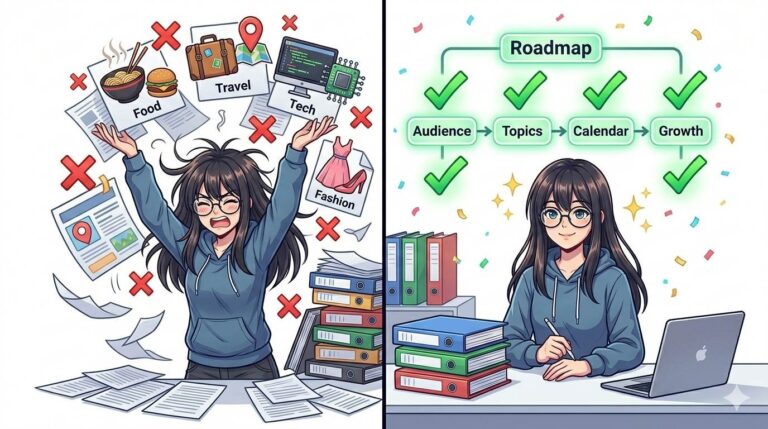
Before you think about tools or platforms, ask yourself: Why do you want to blog? To share your thoughts? Build a personal brand? Make money through affiliate marketing? Grow an online business? Your “why” will shape everything else — your niche, your content, your style. Start with purpose, not platforms.
✅ 2. Pick a Beginner‑Friendly Blogging Platform
You don’t need a complicated setup to start. If you’re brand new and just want to get things rolling, I recommend:
- Blogger – Simple, free, and great for beginners.
- WordPress.com – Also beginner‑friendly, with more design flexibility.
- Systeme.io – If you’re planning to mix blogging with affiliate marketing.
You can always upgrade later. Just start.
✅ 3. Choose a Niche That You Actually Care About
Forget chasing trends — write about something you enjoy or know about. Your niche could be: personal development, health and fitness, digital marketing, food, fashion, tech — anything you can stick with. Pick a topic you won’t get bored writing about.
✅ 4. Set Up Your Blog with the Basics
You don’t need to be a tech expert. Just focus on these core pieces:
- ✅ Blog title and description
- ✅ Simple, clean layout
- ✅ A few starter pages (About, Contact, Privacy Policy) – for a complete guide, read How to Add Pages in Blogger.
- ✅ Your first 2‑3 blog posts (no pressure — they don’t have to be perfect)
✅ 5. Write Like You’re Talking to One Person
Forget trying to sound “professional.” People read blogs to connect. Write like you’re having a conversation with a friend. Use short sentences, break things up with headings, ask questions to keep the reader thinking, and add your personal touch or experience — it matters. Use Grammarly to polish your writing and Canva to create visuals that support your content.
✅ 6. Don’t Overthink SEO — But Don’t Ignore It
Search engines matter, but don’t let SEO overwhelm you as a beginner. Just focus on the basics:
- Use your keyword in the title and intro
- Write useful, clear content that solves a problem
- Add internal links to other helpful posts – for a complete guide, read Internal Linking.
- Optimize your meta description
You’ll learn more SEO as you go.
✅ 7. Be Consistent (Even When No One’s Reading Yet)
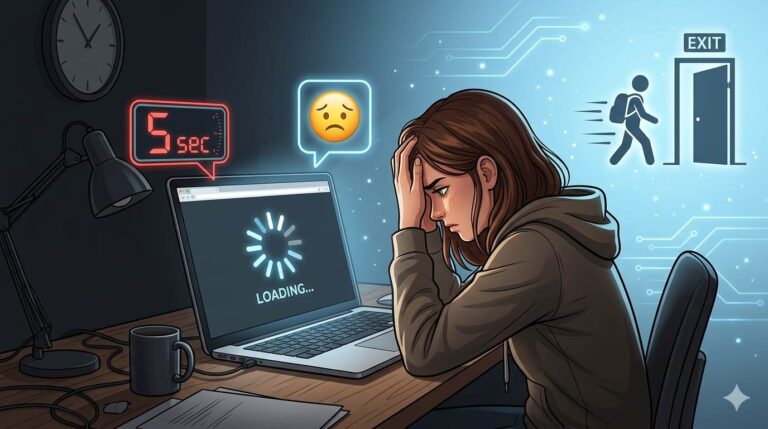
The biggest beginner mistake? Quitting too soon. Blogging takes time. Set a simple posting schedule — maybe once a week. Stick to it. The more you show up, the faster you improve (and the more readers you’ll eventually get).
✅ 8. Learn as You Go — You Don’t Need to Be Perfect
You’ll make mistakes. Everyone does. You might choose a niche that doesn’t work, pick the wrong theme, or write posts that no one reads at first. That’s okay. Every post you publish is progress. You’ll tweak things, update old posts, and figure out your style with time.
💡 The Brutal Truth (Read This Twice)
Most people never start a blog because they think they need to be perfect. They wait for the perfect niche, the perfect design, the perfect first post. Meanwhile, someone else starts with an ugly blog and gets better with every post.
Blogging essentials for beginners are not complicated. You need a reason to write, a platform to publish on, and the courage to hit publish. That’s it. Everything else you can learn along the way. The people who succeed are not the ones who waited for perfection. They are the ones who started.
⚠️ Remember: Your first post won’t be perfect. It shouldn’t be. Perfection is a trap. Progress is the goal. Start today. Improve as you go.
📅 Your 7‑Step Action Plan to Start Blogging Today
- Step 1: Define your “why” – write down your purpose.
- Step 2: Choose a platform (Blogger recommended for beginners).
- Step 3: Pick a niche you care about.
- Step 4: Set up your blog (title, layout, pages).
- Step 5: Write and publish your first post (just 300 words).
- Step 6: Add basic SEO (keyword in title, meta description, internal link).
- Step 7: Schedule your next post for next week. Then repeat.
After 7 days, you’ll have a live blog with your first post published. That’s more than 90% of people ever do.
🙋 Frequently Asked Questions
Do I need to spend money to start a blog?
No. You can start for free on Blogger. Upgrade to a custom domain later when you have traffic.
What’s the best platform for a beginner blogger?
Blogger is the simplest and most beginner‑friendly. It’s free, owned by Google, and requires no technical skills.
How often should I post as a beginner?
Once per week is plenty. Consistency matters more than frequency. A post every Thursday for 6 months beats daily posts for 2 weeks.
What if I don’t have any experience with writing?
You don’t need experience. Write like you talk. Share your thoughts, experiences, and lessons. You’ll improve with practice.
Can I make money from blogging as a beginner?
Yes, but not immediately. Focus on building trust and traffic first. Monetization comes later – affiliate marketing, ads, digital products.
🎤 Final Thoughts: Keep It Simple and Start Now
Blogging doesn’t have to be complicated. You just need a reason to write, a platform to publish on, and the courage to hit “publish.” If you’re serious about blogging in 2026, don’t get stuck in research mode forever. Start small. Stay consistent. And keep learning.
You’ve got this, friend. 👊
👉 Ready to start your blog today? Create your free Blogger blog. No hosting fees. No domain costs. Just follow the 7 steps and hit publish.