Best Blogging Platforms for Beginners (2026 Guide Made Easy)
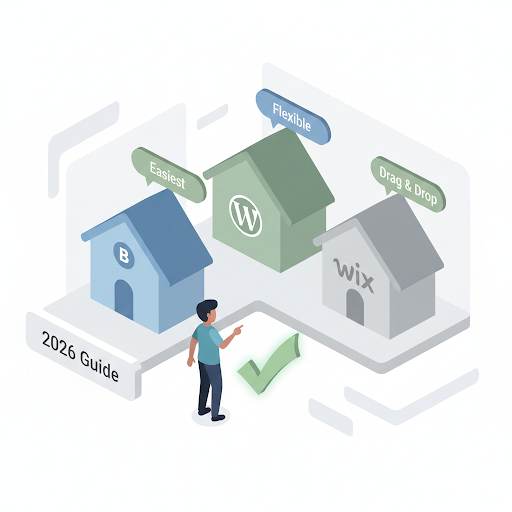
📘 TL;DR – What you’ll learn: Your blogging platform is the home for your content. Pick the wrong one, and it can slow you down or limit your growth. This guide breaks down the best blogging platforms for beginners in 2026 – WordPress.org, Blogger, Wix, Squarespace, Medium, and Substack – with honest pros and cons. By the end, you’ll know exactly which one fits your goals.
🔥 The Platform Confusion
Let me ask you something, friend. So, you want to start a blog — but don’t know where to begin? You’re not alone. One of the first questions new bloggers ask is: “What’s the best platform to start with?” With so many options out there, it’s easy to feel lost or overwhelmed. Don’t worry. This guide will walk you through the best blogging platforms for beginners in 2026 — in simple, clear language. Let’s make this easy and help you pick the right one.
Before we compare platforms, understand what matters most: your goals. My Blogging Without a Budget guide shows you how to start for free. And to see how Blogger and WordPress compare head‑to‑head, read WordPress vs Blogger – it covers ease of use, SEO, monetization, and ownership.
📌 Quick truth: Your platform is the home for your blog. Pick the wrong one, and it might slow you down, limit your growth, or frustrate you. But with the right one? Things just click. Whether you want to write for fun, make money, or build a brand — starting with the right platform makes a huge difference.
✅ Why Your Blogging Platform Matters
Think of your platform as the home for your blog. If you pick the wrong one, it might slow you down, limit your growth, or frustrate you. But with the right one? Things just click. Whether you want to write for fun, make money, or build a brand — starting with the right platform makes a huge difference.
1. WordPress.org – Best for Long‑Term Growth
If you’re serious about blogging and want full control, WordPress.org is the way to go. It’s powerful, flexible, and trusted by millions. You’ll need to get your own domain and hosting, but it’s worth it if you plan to grow.
Why it’s great: You can customize almost anything, tons of free themes and plugins, strong SEO features. ⚠️ It does have a learning curve. If you’re okay spending a bit of time learning the basics, it can take you far.
2. Blogger – Easiest Free Option for Beginners
Blogger is perfect if you’re just getting started and want something simple and free. It’s owned by Google, super easy to use, and lets you start blogging in minutes.
Why beginners love it: 100% free, no tech skills needed, works well with Google tools like AdSense. It’s not as modern or customizable as WordPress, but it’s a no‑pressure way to begin. For a complete guide to setting up Blogger, read How to Start a Blog on Blogger – it walks you through every step.
3. Wix – Build Your Blog with Drag and Drop
Wix is great for those who want to create a nice‑looking blog fast — without touching code.
Why it stands out: Easy visual editor, all‑in‑one hosting and design, perfect for creatives and personal blogs. The downside? It’s a bit limited in SEO and flexibility compared to WordPress.
4. Squarespace – Sleek Look, Simple to Use
Squarespace gives you beautiful templates and an all‑in‑one setup. Great for lifestyle blogs or visual brands.
What people like: Stunning designs, no coding required, good support. Just know — it’s not free, and you won’t get as much control as with WordPress.
5. Medium – Just Focus on Writing
If you don’t want to deal with design, plugins, or SEO — Medium is a clean, no‑fuss platform.
Why it’s easy: Write and publish instantly, built‑in audience, super beginner‑friendly. But you don’t own your blog, and making money from it is harder.
6. Substack – Blogging Meets Email
Substack is made for writers who want to grow an email list and send content straight to subscribers.
Why it’s popular now: Combines blog + email, clean layout, easy setup. But it’s not made for traditional blogs or visual content.
🎯 So… Which Blogging Platform Is Right for You?
Here’s the honest answer: It depends on your goal.
Ask yourself: Do I want something simple or something that can grow with me? Am I blogging for fun or to make money? How much control do I want over design and features?
- ✅ If you’re just testing the waters → Try Blogger or Wix
- ✅ If you’re all in and want to grow a serious blog → Go with WordPress.org
❌ Beginner Mistakes to Avoid
- Choosing a platform just because it’s trendy
- Ignoring SEO if you care about getting traffic
- Jumping between platforms too quickly
- Waiting too long to start — just pick one and go!
Use Canva to create visuals for your blog, and Grammarly to polish your writing – both work on any platform.
💡 The Brutal Truth (Read This Twice)
Most beginners spend weeks researching platforms instead of writing. They compare features, watch reviews, and get stuck in analysis paralysis. Meanwhile, someone else picks a platform in 10 minutes and publishes their first post.
Best blogging platforms for beginners are not about picking the “perfect” one. They’re about picking one that gets you publishing. You can always switch later. Blogger is free and takes 5 minutes to set up. Start there. Then upgrade if you outgrow it. The most important thing is to start writing, not to find the perfect platform.
⚠️ Remember: Your platform is your blog’s home. But it’s not your blog’s soul. Your words, your voice, your value – that’s what matters most. Pick a platform, start writing, and improve as you go.
📅 Your 7‑Day Blog Launch Action Plan
- Day 1: Pick your platform (Blogger recommended for absolute beginners).
- Day 2: Set up your blog (title, simple theme).
- Day 3: Write your About page and Contact page.
- Day 4: Write and publish your first post (just 300 words).
- Day 5: Add basic SEO (keyword in title, meta description).
- Day 6: Share your post on social media or with friends.
- Day 7: Plan your next 3 posts. Then repeat.
After 7 days, you’ll have a live blog with your first post published. That’s more than 90% of people ever do.
🙋 Frequently Asked Questions
What is the best blogging platform for absolute beginners?
Blogger is the simplest and most beginner‑friendly. It’s free, owned by Google, and requires no technical skills. You can start writing in 5 minutes.
Can I switch platforms later?
Yes, but it’s a process. You’ll need to export your content and set up redirects. That’s why it’s better to start with a platform that can grow with you if you’re serious.
Do I need to pay for a blogging platform?
No. Blogger, Medium, and Substack are free. WordPress.org requires hosting ($5‑10/month) and a domain ($10‑15/year).
Which platform is best for making money?
WordPress.org gives you the most monetization options – affiliate marketing, ads, digital products, courses. Blogger can also make money with AdSense and affiliate links.
Is Blogger good for SEO?
Yes, but you need to optimize your content. Blogger supports custom meta tags, clean URLs, and internal linking.
🎤 Final Thoughts: Stop Researching, Start Writing
Blogging is still one of the best ways to share your ideas, grow an audience, or even build a business in 2026. And choosing the best blogging platform is your first big step. Now that you know your options, you’re ready to make a smart choice and get started.
Don’t overthink it. Pick one that fits where you are right now — and start writing. You’ll learn the rest as you go.
You’ve got this, friend. 👊
👉 Ready to start your blog today? Start a free blog on Blogger. No hosting fees, no domain costs. Just click and start writing.