Long Tail Keywords: How to Find and Use Them for Free (2026)

📘 TL;DR – What you’ll learn: You don’t need to compete for huge keywords to get traffic. Long tail keywords are specific, low‑competition phrases that bring the right readers to your blog. This guide shows you what they are, why they work, and how to find them for free – using Google suggestions, AnswerThePublic, and forums. Start ranking without fighting the big blogs.
🔥 The SEO Shortcut Most Beginners Miss
Let’s be honest, brother: SEO sounds complicated. But if you’re just starting a blog and want real traffic from Google, there’s one simple trick that works better than anything else: using long tail keywords.
In this post, I’ll explain what they are, why they matter, and how you can use them—even if you’re totally new. Let’s break it down together.
Before we dive in, understand the foundation of keyword research. My How to Do Keyword Research for SEO guide covers the basics step by step. And to find even more keyword ideas, check out AI Keyword Research Tools for Beginners – it lists 7 free tools to help you discover low‑competition keywords.
📌 Why this matters for beginners:
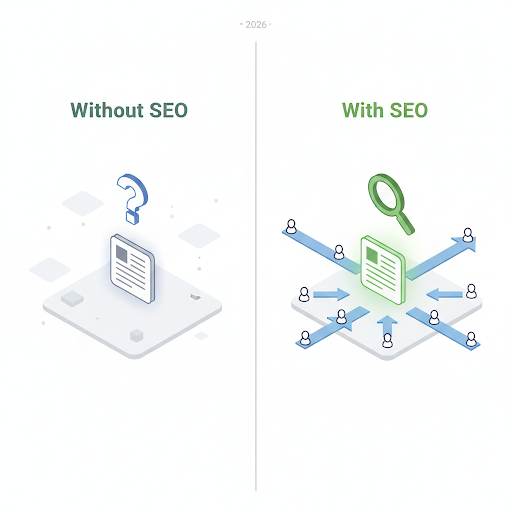
Most new bloggers fail because they chase big, competitive keywords like “SEO” or “weight loss.” But long tail keywords give small blogs a real shot at ranking. They bring the right people to your blog — people who actually want what you’re offering.
✅ What Are Long Tail Keywords?
Long tail keywords are specific, longer phrases that people type into Google when they’re looking for something clear and direct.
Here’s a quick example:
- Short keyword: blogging
- Long tail keyword: how to start a blog for free on Blogger
See the difference? The long version is more detailed. It shows what the person really wants. And if your post gives the answer—they’ll likely click it.
📊 Why You Should Care About Long Tail Keywords
Let’s say your blog is brand new. You try to rank for “SEO” or “weight loss.” But you’re up against websites that have been around for years. You’ll never show up on page one.
But if you target something like: “best SEO tools for beginners in 2026” — now you have a real shot.
Why? Because:
- It’s less competitive
- It attracts readers looking for real help
- It brings the right people to your blog
Long tail keywords give small blogs a chance to win.
📉 Don’t Let Low Search Numbers Fool You
A common mistake beginners make is thinking: “This keyword only gets 100 searches per month. It’s not worth it.” Big mistake.
Those 100 people actually want what you’re offering. They’re not random clicks. They’re real, interested visitors. And if you write 20 posts with different long tail keywords? That’s 20 doors for traffic to enter your blog.
📌 Real-Life Long Tail Keyword Examples
- Short: fitness tips | Long tail: quick home workouts for moms with no equipment
- Short: affiliate marketing | Long tail: how to start affiliate marketing with no experience
Long tail keywords are like answering real questions from real people. And that’s exactly what Google wants.
🛠️ How to Find Long Tail Keywords (Free & Easy)
You don’t need to pay for tools. Just try these:
1. Google Suggestions
Start typing in Google and see what it suggests.
2. “People Also Ask” Section
Look for the box of questions Google shows in search results. Those are gold.
3. AnswerThePublic
Pop in a keyword, and it gives you tons of real questions people search for. (Free version works great.) AnswerThePublic is one of the best free tools for discovering question‑based keywords.
4. Reddit, Quora, and Forums
See what people in your niche are asking. Turn those into blog posts.
For more tools, check Ubersuggest (free tier) – it gives you search volume and keyword ideas.
For a complete list of free keyword tools, read AI Keyword Research Tools for Beginners – it covers 7 options including AnswerThePublic and Ubersuggest.
📍 Where to Use Long Tail Keywords
Once you’ve found one, add it naturally in:
- Your blog title
- First 100 words of your post
- Subheadings (H2, H3)
- Meta description
- A few times in the body
⚠️ Important: Don’t stuff the keyword everywhere. Just write like a normal human. For more writing tips, read 10 Essential Blog Writing Tips – it shows you how to use keywords naturally while keeping your content readable.
❌ Beginner Mistakes to Avoid
- ❌ Don’t copy what big blogs are doing
- ❌ Don’t chase huge keywords with 100,000+ searches
- ❌ Don’t force keywords where they don’t fit
- ❌ Don’t ignore the reader’s real question
Focus on solving one small problem per post. That’s how you win. For a complete list of SEO pitfalls, read Blogger SEO Checklist – it covers keywords, meta tags, and internal linking.
💡 The Brutal Truth (Read This Twice)
Most beginners think they need to rank for huge keywords to get traffic. They write posts about “SEO” or “blogging” and wonder why nobody visits. Meanwhile, smart bloggers target long tail keywords like “how to start a blog for free on Blogger” and get traffic within weeks.
Long tail keywords are your shortcut to Google’s first page. They’re less competitive, more targeted, and bring readers who actually want what you’re offering. Stop chasing the big guys. Start answering specific questions.
⚠️ Remember: A post that ranks #1 for a long tail keyword with 100 searches per month will bring you more targeted traffic than a post that ranks #50 for a keyword with 100,000 searches. Focus on winning small battles.
📅 Your 7‑Day Long Tail Keyword Action Plan
- Day 1: Brainstorm 5 broad topics in your niche.
- Day 2: Use Google Suggestions to find 10 long tail keywords for each topic.
- Day 3: Check AnswerThePublic for question‑based keywords.
- Day 4: Visit Reddit or Quora to see what people are asking.
- Day 5: Pick your best long tail keyword. Write a post outline around it.
- Day 6: Write the post. Use the keyword in your title, intro, subheadings, and meta description.
- Day 7: Publish and share on Pinterest. Track your ranking over the next 30 days.
In one month, you’ll see traffic from keywords you never thought you could rank for.
🙋 Frequently Asked Questions
How long should a long tail keyword be?
Usually 3‑5 words or more. The more specific, the better.
Can I rank for long tail keywords without backlinks?
Yes! Long tail keywords are less competitive. Great content can rank without many backlinks, especially if you’re helpful and thorough.
How many long tail keywords should I target per post?
Focus on one main long tail keyword. Add 2‑3 related ones naturally.
Do long tail keywords work for any niche?
Yes. Every niche has specific questions people ask. Find them and answer them.
🎤 Final Thoughts: Use Long Tail Keywords to Grow Smarter
If you feel overwhelmed by SEO, don’t worry. You don’t need to be an expert. You just need to understand one thing: specific keywords bring specific readers. And those readers are more likely to trust you, subscribe, and even buy from you later.
So next time you write a post, ask yourself: “What exact thing would someone search if they needed this?” That’s your long tail keyword. Use it. Build around it. And keep going.
Your traffic will come. You’ve got this, brother. 🚀
👉 Ready to find your first long tail keyword? Try AnswerThePublic (free). Type your topic. Get hundreds of real questions people search for. Start ranking today.