Sponsored Content – 5 Mistakes Beginners Make (And How to Fix Them)
📘 TL;DR – What you’ll learn: Sponsored content is one of the easiest ways for bloggers to make money – even with a small audience. This guide reveals 5 costly mistakes beginners make (promoting products you don’t believe in, sounding like a commercial, hiding disclosures, having no “Work With Me” page, ignoring audience needs) and shows you exactly how to fix them. Plus, a step‑by‑step plan to land your first sponsored deal.
🔥 The Opportunity Most Bloggers Miss
Let me ask you something, friend. Ever seen a blog post or social media post that says “This is sponsored” and wondered what that means? Let me break it down for you. Sponsored content is one of the easiest ways for bloggers and content creators to make money — even if you’re just starting. And the best part? You don’t need a huge audience or to be famous to get started.
But here’s the problem: most beginners make mistakes that kill their chances of getting paid — or worse, hurt their reputation. In this guide, I’ll show you the 5 biggest mistakes beginners make with sponsored content and exactly how to fix them. Let’s talk about what sponsored content really is, why it matters, and how you can use it to grow your blog and income.
Before we dive in, understand the foundation of content that attracts brands. My Tips for Creating Content guide shows you how to write posts brands want to sponsor. And to make your blog look professional for potential sponsors, read How to Add Pages in Blogger – it covers creating a “Work With Me” page.
📌 Quick truth: You don’t need a huge audience to get sponsored content. Brands love working with smaller bloggers who have loyal followers. Even 500 engaged readers can be powerful. The key is avoiding the mistakes that keep you from getting noticed – or getting paid.
✅ What Is Sponsored Content?
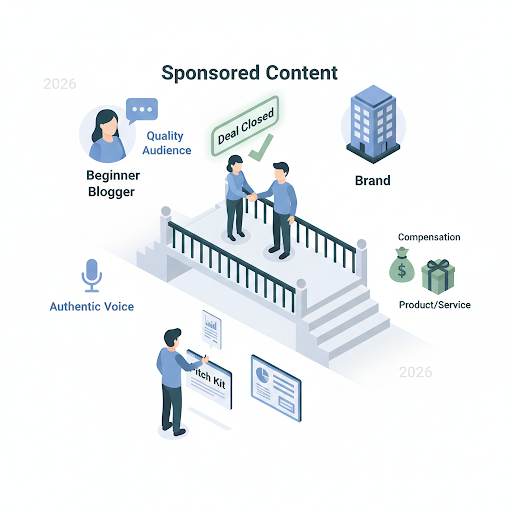
Sponsored content is when a brand pays you to create a piece of content that features their product, service, or message — in your own voice. It could be a blog post, a YouTube video, an Instagram story, even a tweet. But here’s the key: it doesn’t feel like an ad. It feels like you talking to your audience — just with a brand involved.
Let’s say you write about fitness. A company that makes protein shakes might pay you to write a post about your favorite morning routine — and you include their shake as part of it. That’s sponsored content. You’re still being helpful, still being you — but you’re getting paid to include something you believe in.
📊 Why Do Brands Pay for Sponsored Content?
Because people trust creators more than ads. Sponsored content feels natural. It’s built into the content people already enjoy. That’s why it works so well — and why companies are willing to pay good money for it. It’s a win-win: Brands get attention in a more honest way. Readers get helpful, interesting content. You get paid for creating what you love.
📉 Do You Need a Big Audience?
Not at all. Brands love working with smaller bloggers who have loyal followers. If you’ve built trust with your readers — even if it’s just 500 people — that’s powerful. You don’t need to go viral. You just need to create useful content that speaks to a clear audience.
❌ 5 Mistakes Beginners Make with Sponsored Content (And How to Fix Them)
Mistake #1 – Promoting Products You Don’t Believe In
The mistake: Saying “yes” to any brand that offers money, even if the product is low quality or irrelevant to your audience.
The fix: Only promote products you would recommend to a friend. If you wouldn’t buy it yourself, don’t promote it. Your readers trust you. One bad recommendation can destroy that trust forever.
Mistake #2 – Sounding Like a Commercial (Not Yourself)
The mistake: Writing sponsored posts in a stiff, salesy voice instead of your natural, conversational tone.
The fix: Write sponsored content exactly how you write everything else. Use your voice. Share your real experience. If the brand doesn’t like it, they’re not the right fit. Use Grammarly to polish your writing while keeping your natural voice.
Mistake #3 – Hiding That It’s Sponsored
The mistake: Not disclosing that a post is sponsored because you’re afraid readers will think less of you.
The fix: Always be honest. It’s the law (FTC guidelines) and it builds trust. Add a simple line like: “This post is sponsored by [Brand Name], but all opinions are my own.” Readers respect honesty.
Mistake #4 – Not Having a “Work With Me” Page
The mistake: Expecting brands to find you when you have no way for them to contact you.
The fix: Create a simple “Work With Me” or “Sponsor” page on your blog. Explain who you are, your niche, your audience size, and how brands can reach you. For a complete guide to creating pages, read How to Add Pages in Blogger – it walks you through setting up a professional “Work With Me” page.
Mistake #5 – Ignoring Your Audience’s Needs
The mistake: Creating sponsored posts that are all about the brand and offer zero value to your readers.
The fix: Every sponsored post should still be helpful. Teach something. Solve a problem. Share a tip. The brand mention should fit naturally into valuable content. If your readers feel like you’re just selling, they’ll stop reading.
🛠️ How to Start with Sponsored Content (Step‑by‑Step)
If you’re wondering, “How do I even begin?” — here’s what to do:
- Create helpful content – Write posts that solve problems and show your personality.
- Choose your niche – Stick to one main topic so brands know what you’re about.
- Build a small but loyal audience – Trust matters more than numbers.
- Add a “Work With Me” page – Let brands know you’re open to sponsorships. Use Canva to design a professional media kit.
- Join sponsored content platforms – Try Collabor8, AspireIQ, Intellifluence, or IZEA.
- Pitch brands directly – Send a short, friendly email to brands you love.
Example pitch: “Hey, I write a blog about [niche], and I’d love to collaborate. I think my audience would be a great fit for your product.” Be real. Keep it short.
🔹 Always Be Honest with Your Readers
If you’re getting paid to write about something, always let your readers know. Just a quick line like: “This post is sponsored by [Brand Name], but all opinions are my own.” Honesty builds trust. And trust is everything when you’re growing your blog or brand.
💰 How Much Can You Earn?
It depends on your niche, audience size, and content quality. Some beginner bloggers charge $50 to $150 per post. As you grow, you can earn $500+ per sponsored article — or even more if you offer multiple content formats (like blog + email + social media). Focus on value. If your content drives real engagement, brands will want to work with you again and again. For more monetization strategies, read Blog Monetization – it covers affiliate marketing, ads, and sponsored content together.
💡 The Brutal Truth (Read This Twice)
Most beginners never get sponsored content because they make these 5 mistakes. They promote products they don’t believe in. They sound like commercials. They hide disclosures. They have no “Work With Me” page. They ignore their audience’s needs. And then they wonder why brands don’t reach out.
Sponsored content is not about selling out. It’s about partnering with brands that your readers will actually care about — and getting paid for your work. Avoid these mistakes, and you’ll stand out from 90% of other beginners.
⚠️ Remember: You don’t need to be a pro writer. You don’t need a huge audience. You don’t need fancy gear or experience. You just need a blog or platform, a clear niche, real value in your content, and the confidence to reach out.
📅 Your 30‑Day Sponsored Content Action Plan
- Week 1: Create a “Work With Me” page on your blog.
- Week 2: Write 2‑3 helpful posts in your niche to show your style.
- Week 3: Join one sponsored content platform (e.g., Intellifluence).
- Week 4: Pitch 3 brands you genuinely love (short, friendly email).
- Month 2: Follow up. Keep creating valuable content. Your first deal will come.
After 30 days, you’ll have your pitch ready, your page live, and your first deal could be days away.
🙋 Frequently Asked Questions
Do I need a huge audience for sponsored content?
No. Brands value engagement and trust over follower count. Even 500 loyal readers can be attractive to the right brand.
How do I find brands to pitch?
Look at products you already use and love. Check if they have a blog or influencer program. Also, join platforms like Intellifluence or AspireIQ.
What should I charge for a sponsored post?
Start with $50‑$150 per post. As you build a portfolio and audience, you can raise your rates. Track your engagement to justify higher prices.
Do I need to disclose sponsored content?
Yes. It’s required by law (FTC guidelines). Always add a clear disclosure like “This post is sponsored by [Brand Name].”
Can I do sponsored content if I’m on Blogger?
Absolutely. Blogger is a professional platform. Many brands work with Blogger creators. Just make sure your blog looks polished and professional.
🎤 Final Thoughts: Sponsored Content Is for Real People
You don’t need to be a pro writer. You don’t need a huge audience. You don’t need fancy gear or experience. You just need a blog or platform, a clear niche, real value in your content, and the confidence to reach out.
Sponsored content is not about selling out. It’s about partnering with brands that your readers will actually care about — and getting paid for your work.
So if you’re asking, “Can I really do this?” — Yes, you absolutely can.
Now go fix those 5 mistakes, set up your “Work With Me” page, and start pitching. Your first sponsored deal is closer than you think.
You’ve got this, friend. 🚀
👉 Ready to land your first sponsored content deal? Open your Blogger dashboard. Create your “Work With Me” page today. Then start pitching. Your first brand deal is waiting.